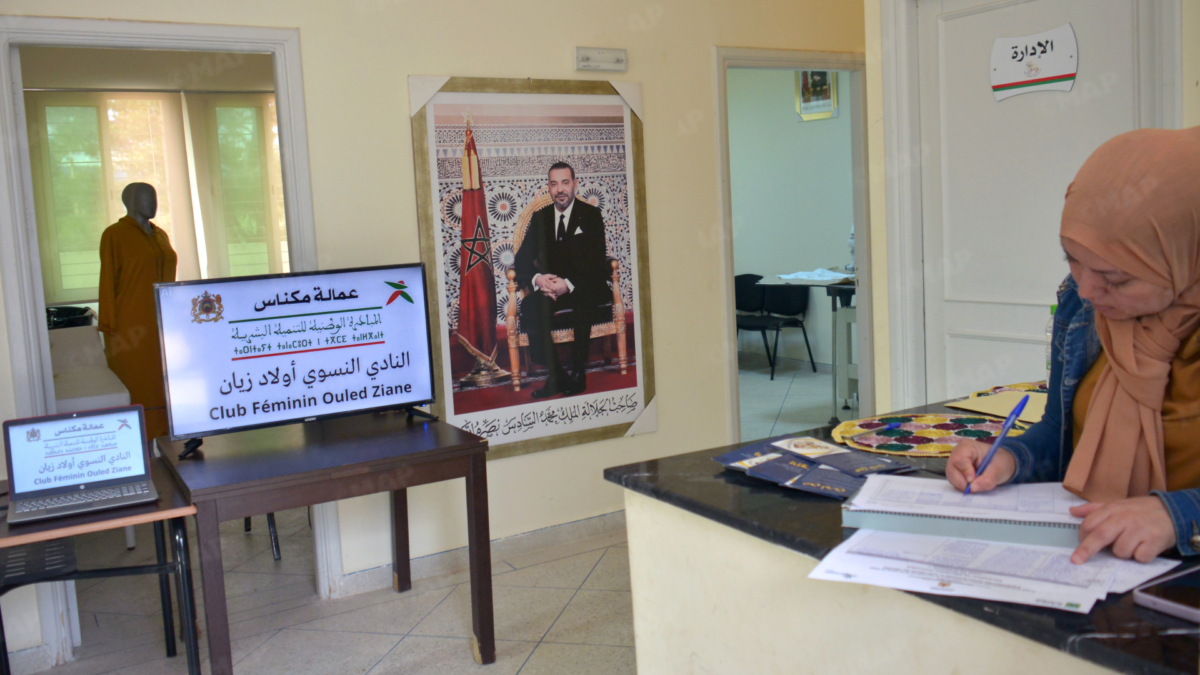
Oued Jdida (Meknes Prefecture) – The National Initiative for Human Development (INDH) is continuing its efforts in Meknes to support rural women through assistance, training, and capacity-building initiatives aimed at promoting their socioeconomic inclusion and empowerment.
On Monday, a training session on the creation and management of cooperatives was organized for about twenty women from the Oulad Ziane village, part of the Oued Jdida municipality in the Meknes Prefecture, in partnership with the RIM Association for Sustainable Development.
This session aims to equip participants with the knowledge and skills necessary to create and manage cooperatives, while encouraging women’s entrepreneurship and the development of income-generating activities that can contribute to improving the living conditions of women and their families.
In a statement, Khadija Chihab, a member of the RIM Association for Sustainable Development, responsible for managing the Oulad Ziane women’s club, established with the support of the National Initiative for Human Development (INDH), emphasized the importance of the services offered by this organization, particularly sewing, embroidery, and cooking classes, as well as literacy programs.
She commended the INDH’s support for rural women, highlighting the importance of these services in acquiring practical skills, building capacity, and promoting the beneficiaries’ autonomy.
She also emphasized that training in cooperative creation and management provides participants with an opportunity to structure their collective initiatives, enhance their skills, and access new economic prospects.
For her part, Naima Nahlaoui, a regular at the center, expressed her gratitude to the National Initiative for Human Development (INDH) for its support of rural women, particularly in the areas of economic empowerment and combating illiteracy.
She noted that the training provided at the center contributes to the acquisition of new skills, strengthens self-confidence, and opens up opportunities for socioeconomic integration.
According to the Social Action Division of the Meknes Prefecture, supporting rural women is part of a comprehensive approach to human development, which encompasses improving living conditions, building capacity, facilitating access to basic social services, and promoting economic independence.
Through its various programs, the National Initiative for Human Development (INDH) works to reduce territorial and social disparities and to promote the active participation of women in the development of their communities.
Within its first program, dedicated to addressing infrastructure and basic social service gaps, the INDH contributed to the implementation of projects related to access to drinking water, electricity, healthcare, education, and rural roads.
The second program, focused on supporting vulnerable populations, notably facilitated the establishment of socio-educational centers for rural women. These centers offer listening, guidance, and psychosocial support services, as well as literacy programs and vocational training workshops.
Regarding the program dedicated to improving incomes and economic inclusion, the Initiative supports entrepreneurial and collective initiatives, particularly through the creation and support of women’s cooperatives and income-generating activities.
Furthermore, the program for developing the human capital of future generations places significant emphasis on maternal and child health, through initiatives aimed at improving access to care, particularly in rural areas, and strengthening healthcare systems.
Interventions to promote the education of rural girls, through student residences, school transportation, and academic support, also contribute, according to the same source, to combating school dropout rates and improving their future prospects.
Through these various areas of intervention, the National Initiative for Human Development (INDH) continues its commitment to inclusive human development, paying particular attention to rural women as key players in economic and social dynamics.
The training organized for women in the Oulad Ziane village exemplifies this approach, focusing on the
Related articles
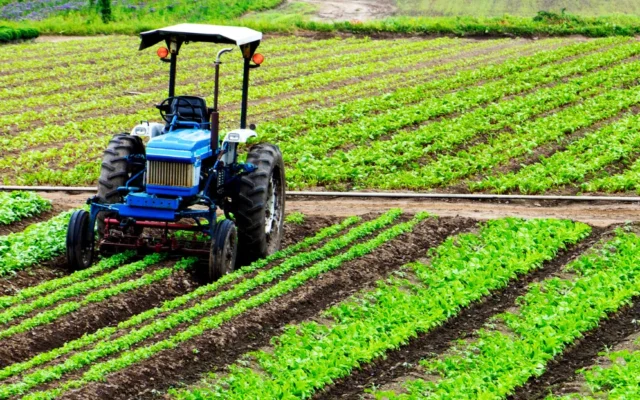
Heavy Rainfall in Northern Morocco Revives Farmers’ Hopes for the New Agricultural Season
Various northern provinces experienced significant rainfall over the weekend and on Monday, bringing widespread relief to local farmers…
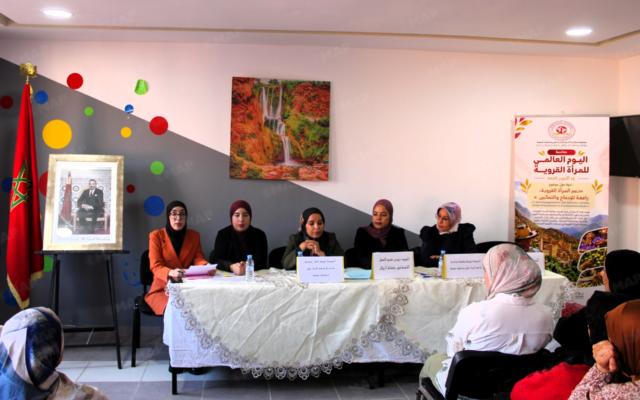
Highlighting the Importance of Rural Women’s Socio-Economic Empowerment in Sustainable Development
Azilal – The socio-economic empowerment of rural women and the examination of ways to support and integrate them…