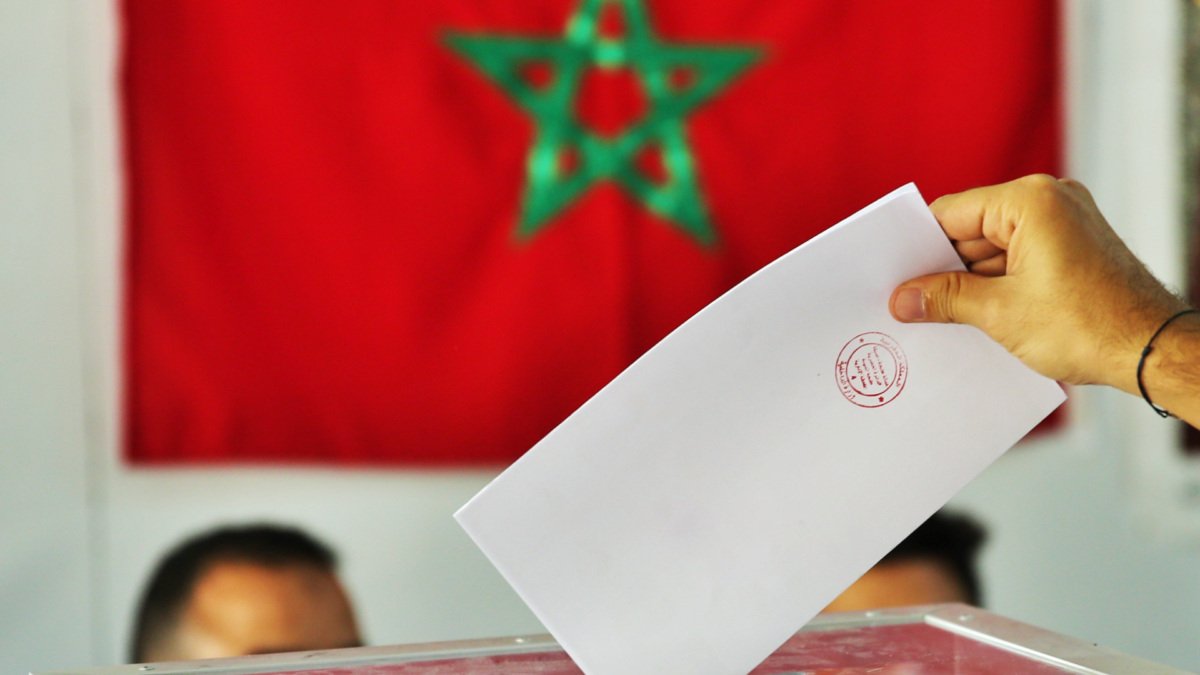
Rabat – Moroccans are called to the polls Wednesday to elect members of the House of Representatives, a crucial legislative step to renew the composition of the lower house (395 seats) and define the new political landscape that will allow the emergence of the future governing majority.
These elections represent a new milestone on the path to strengthening the democratic system in the Kingdom and consolidating the state and its institutions. They will allow for the emergence of elected institutions capable of supporting major national projects, addressing current economic and social challenges, and meeting citizens’ expectations.
In figures, the number of registered voters on the general electoral lists, finalized on July 10, 2026, following the exceptional revision, stands at 15,801,162.
According to statistics published on the website “www.listeselectorales.ma“, the national electorate is composed of 54% men and 46% women.
Furthermore, 1,850 candidate lists were submitted nationwide, covering all local and regional constituencies, according to data from the Ministry of the Interior collected at the close of the candidate declaration period. These lists comprise 7,288 candidates, representing a national average of more than 18 candidates for each seat in the House of Representatives.
The parliamentary elections of September 23rd confirm the regularity of the organization of elections in Morocco, in accordance with the provisions of the 2011 Constitution. They also take place within a context marked by ongoing political debate surrounding the development of the electoral system, within an institutional framework that guarantees respect for the law.
This election is also characterized by the diversity of approaches and choices presented to voters: some political actors are defending the record of the outgoing administration, hoping to continue the policies already in place, while others are putting forward alternative programs and visions aimed at improving government and legislative action.
In this context, the electoral programs of political parties give a central place to social issues, with preserving purchasing power and improving income as top priorities.
The various visions of the political parties also emphasize the need to review direct aid mechanisms, expand social protection programs, and reduce the tax burden on vulnerable groups and the middle class, in order to preserve social stability and mitigate the effects of inflation and price fluctuations.
On the economic front, the policies proposed by the parties agree on the imperative of stimulating employment and supporting the entrepreneurial sector, considered a key driver of growth. The various approaches emphasize creating employment opportunities tailored to young people and women, as well as facilitating the integration of the informal sector. They also include tax incentives and financing mechanisms for small and medium-sized enterprises (SMEs) and startups, with the aim of strengthening economic sovereignty and reducing unemployment.
To ensure the success of this election and guarantee that it takes place in an atmosphere of equal opportunity for all candidates, free from any practices that could undermine the credibility of the vote and the integrity of the electoral process, a set of legal texts and procedural measures has been put in place to ensure the ethical conduct of the electoral operation and make it a vehicle for consolidating democratic practice.
Indeed, the electoral framework for the September 23rd legislative elections includes new provisions aimed at improving the ethical standards of the electoral process and strengthening its transparency, with the goal of restoring the role of political actors and rebuilding trust between citizens and elected institutions.
This framework notably includes stricter penalties for electoral offenses, with 28 out of 32 articles amended, resulting in harsher prison sentences and fines, while certain offenses have been reclassified as felonies due to their severity.
Candidacies are also prohibited for individuals caught in the act of committing offenses that undermine integrity, morality, or the credibility of the electoral process.
Related articles
Legislative Elections: Polling Stations Located via 2727, the “listeselectorales.ma” website, or the MonBV app (Statement from the Minister of the Interior)
Rabat – In preparation for the election of members of the House of Representatives, scheduled for Wednesday, September…
HRH Princess Lalla Meryem Chairs Religious Vigil Commemorating 28th Anniversary of Passing of Late HM King Hassan II
Rabat – Her Royal Highness Princess Lalla Meryem chaired, on Monday at the Assouna Mosque in Rabat, a…
HM the King, Commander of the Faithful, Chairs Religious Evening Commemorating 28th Anniversary of Passing of Late HM King Hassan II
Rabat – His Majesty King Mohammed VI, Commander of the Faithful, may God assist Him, accompanied by HRH…