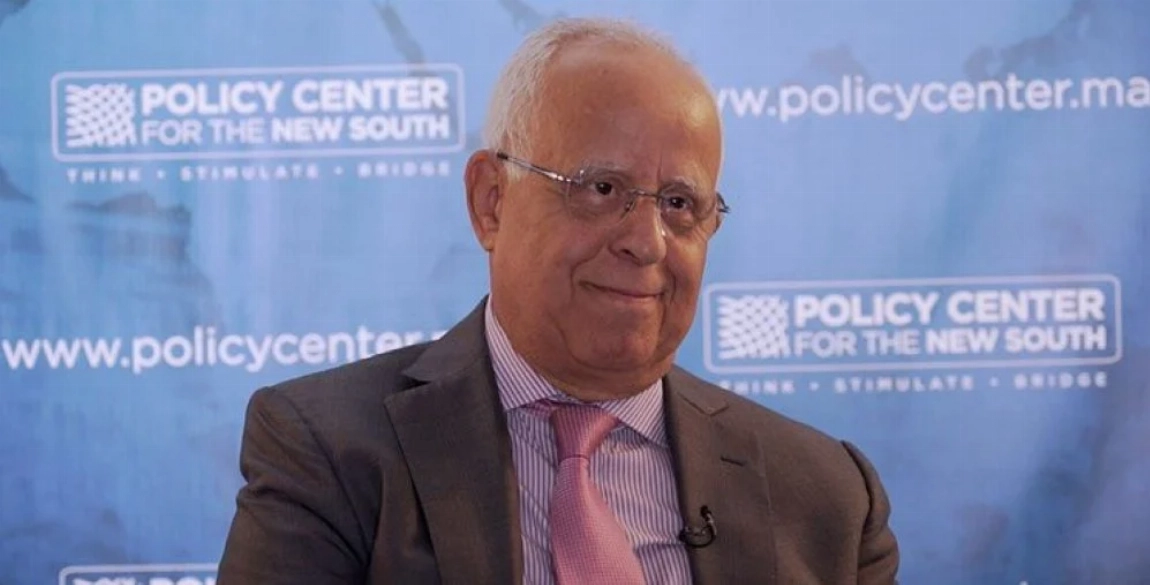
The debate is no longer solely about the outcome of the dispute, but about how to resolve it. After decades of deadlock, Morocco’s autonomy plan has taken center stage in the Western Sahara negotiations, which are now focused on the concrete conditions for its implementation. Transitional council, constitutional and international guarantees, the future of MINURSO: the outlines of a potential agreement are beginning to emerge. In an analysis published in October by the Policy Center for the New South, Mohammed Loulichki, former Moroccan ambassador to the UN, deciphers the new perspectives opened up by António Guterres’ report of October 1, 2026. Under American impetus, the diplomatic process is gaining substance, even if the path to a definitive settlement remains fraught with obstacles.
Who will exercise the powers of an autonomous region? With what guarantees, and according to what timetable? These issues, long relegated to the background of the debate on the status of the Sahara, are now entering the negotiations. For Mohammed Loulichki, this signals a change in approach, but not yet a promise of an agreement. In his note for the Policy Center for the New South, the former Permanent Representative of Morocco to the UN analyzes document S/2026/781, Guterres’ first report since the adoption of Resolution 2797 on October 31, 2025.
After several years of deadlock, three rounds of substantive discussions took place in the first quarter of 2026, in a four-party format, at the initiative of Washington and with the support of the UN. The Moroccan autonomy plan forms the basis of these discussions. This is a significant shift after a long period of inaction, even if disagreements on sovereignty and self-determination persist. Mr. Loulichki further notes that this report will be António Guterres’s last on this issue before the end of his mandate. According to the report, the Personal Envoy’s interlocutors “emphasized the historic nature of the progress achieved,” although the outcome of the discussions is not yet certain. The question now is “how to gradually build an acceptable political settlement based on autonomy under Moroccan sovereignty,” writes Mr. Loulichki. The pieces of a possible architecture are emerging, but have not yet been assembled.
Related articles
Morocco’s Government Council Approves 2027 Finance Bill
Rabat – Morocco’s Government Council, meeting Tuesday in Rabat under the chairmanship of Head of Government Fatima Ezzahra…
Government Program is a Political & Institutional Contract Rooted in High Royal Trust, Will of Citizens’ During Elections – Gov’t Head El Mansouri
Rabat – Head of Government Fatima Ezzahra El Mansouri said on Monday that the Government Program is a…
Meeting on Measures to Combat the Effects of the Cold Wave
Ouarzazate – A meeting was held yesterday, Tuesday, in Ouarzazate to review the proactive measures taken by the…