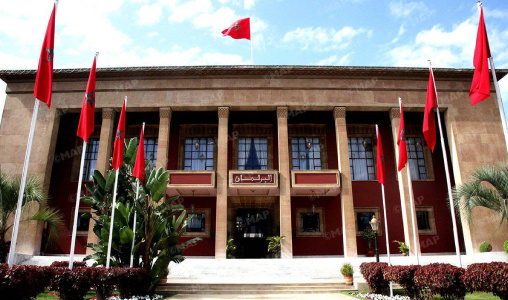
Rabat – Morocco’s Parliament will open the first session of the first year of its 12th legislative term on Friday, with lawmakers facing major political, economic and social challenges and renewed calls for a more effective parliamentary role.
The opening session comes as consultations continue on the formation of a new government following the September 23 parliamentary elections, which reshaped the political landscape of the lower house. It will also see the election of the House Speaker and the renewal of its internal structures.
Both majority and opposition lawmakers will be expected to play a greater role in shaping public policy, particularly on macroeconomic management, social State foundations and efforts to advance major development programs across the country.
The 2027 Finance Bill is expected to be an early test for the new House amid global uncertainty and economic volatility.
The bill will serve as a “real barometer” of the new parliament’s performance, once its internal structures and parliamentary groups are in place, said Abdelaziz Karraky, a political science researcher at Mohammed V University in Rabat.
Speaking to MAP, Karraky said the House should make employment, reducing regional disparities and strengthening social protection key priorities, while making more effective use of its oversight powers to ensure that the benefits of development are distributed more equitably.
He stressed the need to advance territorial equity by strengthening parliamentary oversight of public investment across Morocco’s regions and municipalities, as well as monitoring conditions in rural, mountainous and oasis areas.
Youth employment, particularly the integration of university graduates into the labor market, should also rank among the new House’s top priorities, he said, stressing the need to consolidate the foundations of the social State.
Karraky also called for stronger parliamentary diplomacy and a renewed approach aligned with Morocco’s strategic priorities. He urged lawmakers to put forward substantive legislative initiatives and proposals capable of rebuilding public confidence in Parliament and political action.
The new legislature, he concluded, will be challenged to strengthen Parliament’s role in advancing inclusive development through more effective legislation, oversight and evaluation of government action, while ensuring that parliamentary initiatives respond to citizens’ expectations.
Related articles
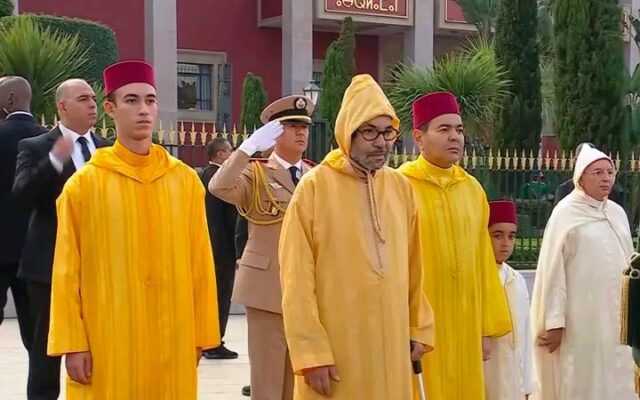
HM the King Delivers Speech to Parliament at Opening of 1st Session of 1st Legislative Year of 12th Legislature
Rabat – His Majesty King Mohammed VI, may God assist Him, accompanied by HRH Crown Prince Moulay El…
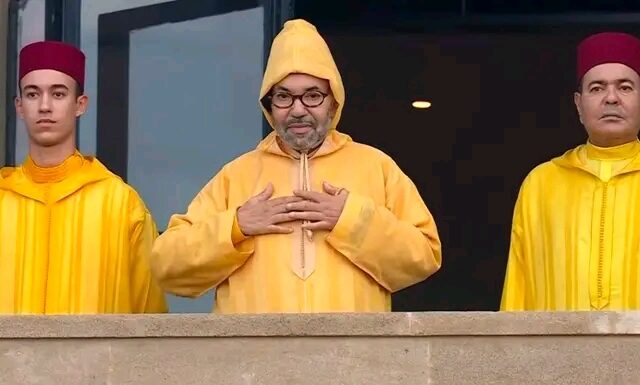
A Vision for Renewal: King Mohammed VI Sets Parliament’s Strategic Course for the 12th Legislative Term
RABAT — In an address marking the state opening of the first session of the first legislative year…
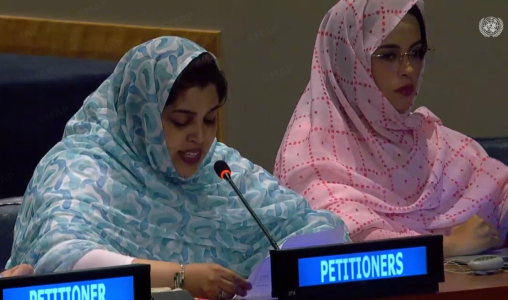
At the UN, elected representatives from the Moroccan Sahara highlight democratic growth and the dynamic development of the Southern Provinces
United Nations (New York) – Elected representatives from the Kingdom’s Southern Provinces addressed the Fourth Committee of the…