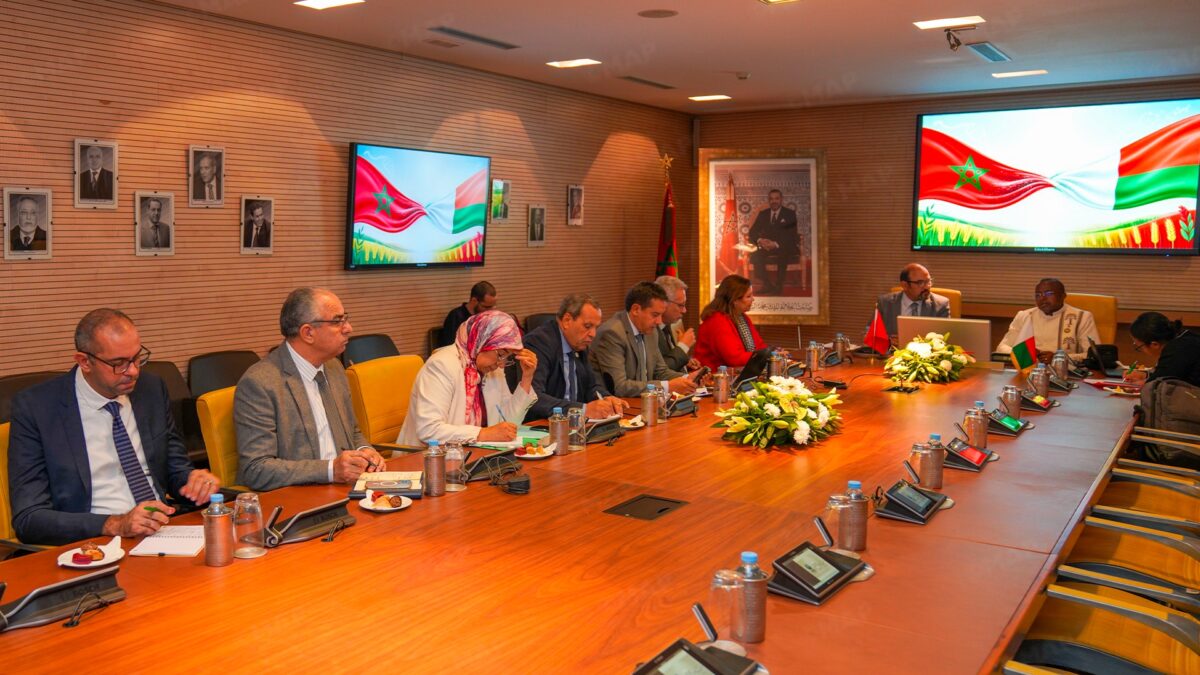
Rabat – Morocco and Madagascar seek to give new impetus to their cooperation in the agricultural sector, said on Monday in Rabat Secretary General of the National Institute for Agricultural Research (INRA) Rachid Moussadek and Madagascar’s Minister of Agriculture and Food Sovereignty Gaëtan Ramindo, who is visiting Morocco.
In a statement to MAP, Moussadek noted that this meeting was an opportunity to present to the Malagasy minister the Institute’s experience and the results of its research, as well as the programs implemented to achieve them, emphasizing that these results could be shared with several African countries.
In particular, he highlighted INRA’s expertise in conservation agriculture and soil mapping, noting that the results of this work have been shared with some twenty African countries, including Madagascar.
For his part, Ramindo stated that the purpose of his visit is to identify avenues for collaboration over the next ten years, noting that the two countries are already cooperating in agricultural development, locust control, and research through their respective research centers.
This cooperation, he continued, is set to intensify, particularly in areas of seeds, genetic improvement, research on irrigation and fertilization, as well as the exchange and training of young researchers and technicians.
Committed since the 1980s to developing partnerships with African research institutions, INRA Morocco works to promote South-South cooperation based on knowledge sharing, the exchange of expertise, and the leveraging of scientific complementarities.
Between 1982 and 2025, the Institute signed more than 18 agreements, protocols, and memoranda of understanding on scientific and technical cooperation with African countries.
Cooperation with Madagascar has notably taken shape through the signing, in 2016, of a cooperation agreement in the agricultural sector, as well as through several institutional and scientific exchanges.
Related articles
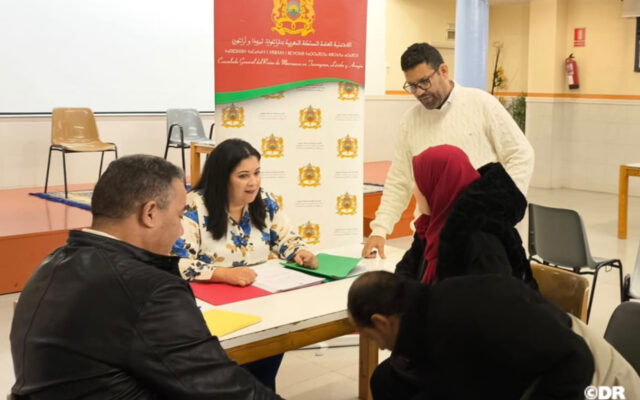
Spain: Mobile Consulate for Moroccans Living in the Province of Lleida
Madrid – The Consulate General of the Kingdom of Morocco in Tarragona organized a mobile consulate on Saturday…
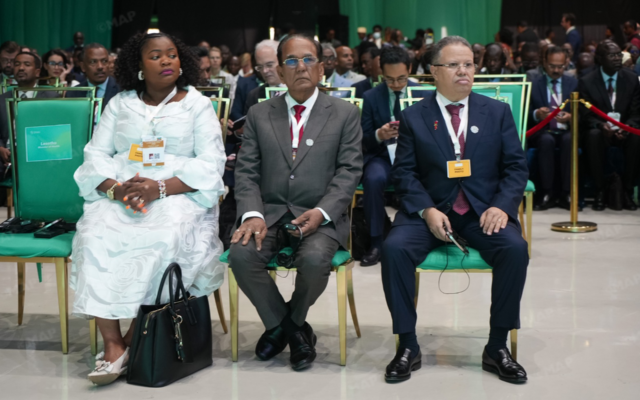
Opening of the 5th International Conference on Public Health in Africa with Morocco’s Participation
Addis Ababa – The Fifth International Conference on Public Health in Africa (CPHIA 2026) began Monday in Addis…
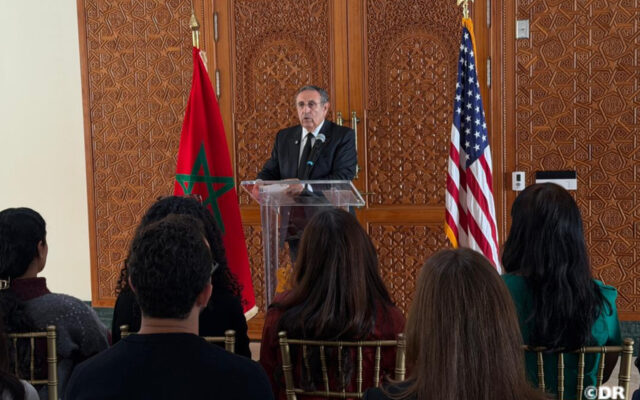
Washington: Youssef Amrani Addresses American Academics on the Latest Developments in the Western Sahara Issue
The latest developments in the Western Sahara issue, in light of recent developments at the UN Security Council,…