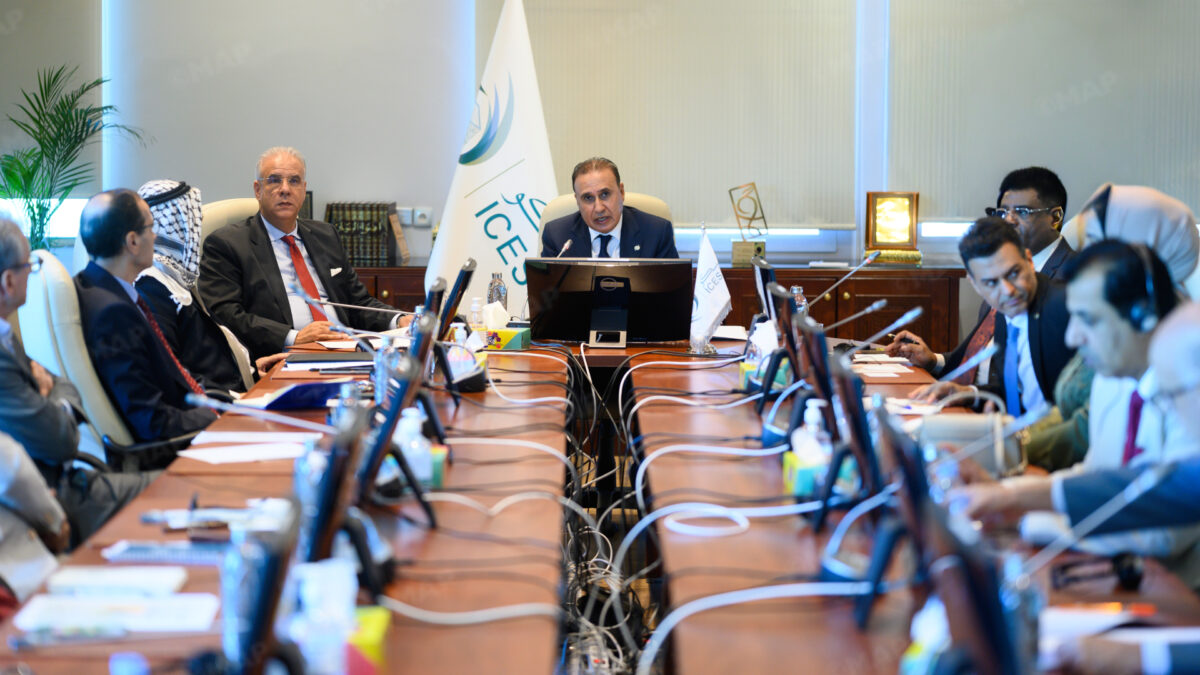
Rabat – Researchers and intellectuals gathered in Rabat on Wednesday to discuss the history and evolution of mosque architecture in Jerusalem and Palestine at a conference dedicated to this centuries-old heritage.
This meeting, organized by the Center for Civilizational Dialogue, part of the Islamic World Educational, Scientific and Cultural Organization (ICESCO), in collaboration with the Khaled Al-Hassan Foundation’s Center for Studies and Research, is part of the “Architecture and Civilization” series, which aims to explore the links between architecture, identity, and cultural memory.
This conference also seeks to highlight the architectural heritage embodied by the mosques of Jerusalem and Palestine through an approach that combines historical, architectural, and cultural dimensions.
Speaking at the event, Khalid Fath Al-Rahman, Director of the Center for Civilizational Dialogue, affirmed that architecture is one of the expressions of civilizational development, emphasizing that this conference is the first in a series of meetings initiated by the Center for Civilizational Dialogue focusing on the themes of civilization and architecture.
Recalling that human civilizations have mutually inspired one another, he added that the exchanges that characterized the golden age of Islamic civilization fostered the rapprochement and blending of cultures.
For his part, Said Khaled Al-Hassan, President of the Khaled Al-Hassan Foundation’s Center for Studies and Research, stated that architecture constitutes one of the main pillars upon which memory and identity, and consequently civilizational existence, rest.
In this regard, Mr. Al-Hassan highlighted the importance of architectural memory for Palestine, as a crucial element in preserving and enshrining its identity.
Furthermore, he emphasized the importance of organizing such meetings to observe and support the growth of the fields of archaeology, excavation, restoration, and the enhancement of monuments, both in Palestine and in other countries of the Islamic world.
For his part, Palestinian researcher Abd El Razeq Matani stated that architecture in Palestine is not simply comprised of buildings, but reflects a history that embodies the relationship between humankind and buildings.
He continued, noting that reflection on mosques should not be limited to their religious dimension, but should also encompass their civilizational dimension, adding that Palestinian architecture also includes churches.
He argued that it is therefore necessary to develop a scientific research project highlighting the characteristics and specificities of the Christian religious architecture currently present in Palestine.
This conference also featured the presentation and discussion of a research project on “the architecture of mosques in Jerusalem and Palestine,” focusing on its methodology and main themes.
This initiative aims to strengthen cooperation between ICESCO, institutions, and experts interested in architecture, heritage, and cultural studies. It brought together a group of specialists from the organization, as well as several experts and researchers interested in this field.
Related articles
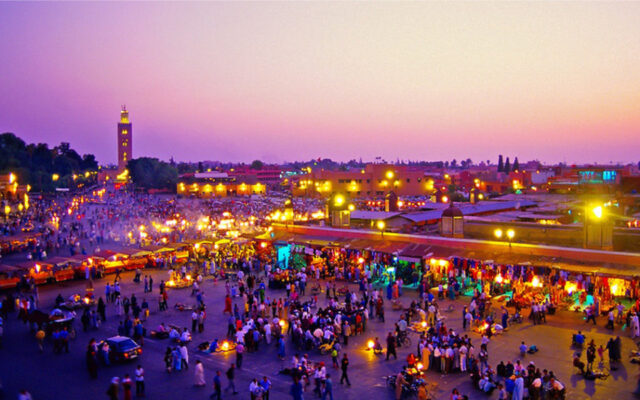
Morocco welcomed 15.7 million tourists by the end of September 2026.
Morocco welcomed 15.7 million tourists during the first nine months of 2026, a 5% increase compared to the…
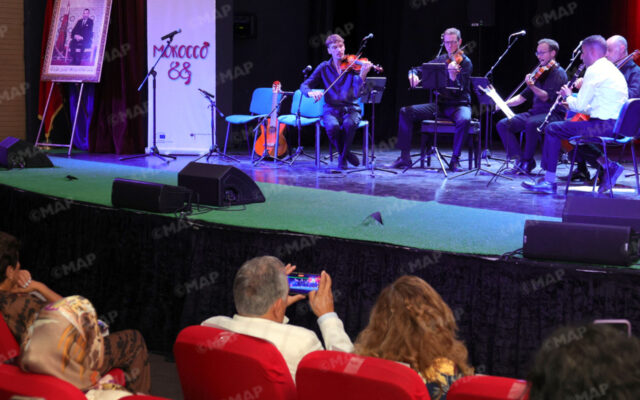
Casablanca Concert Celebrates 70th Anniversary of Morocco-Germany Diplomatic Relations
Casablanca – A classical music concert was held Wednesday evening in Casablanca to mark the 70th anniversary of…
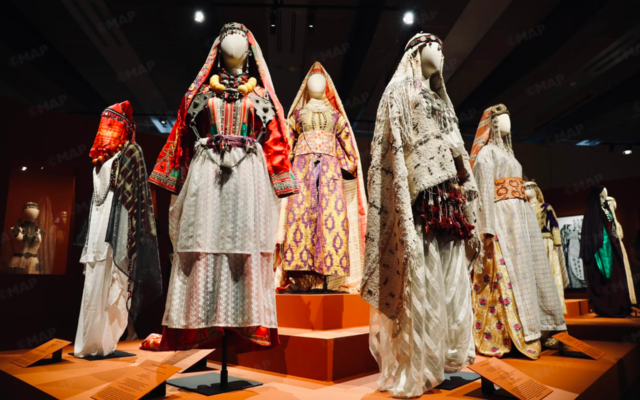
Moroccan Heritage and Creativity in the Spotlight at the Arab World Institute (IMA) in “Long Live the Bride!”
Paris – Moroccan heritage and artistic creation take center stage in the exhibition “Long Live the Bride!”, held…