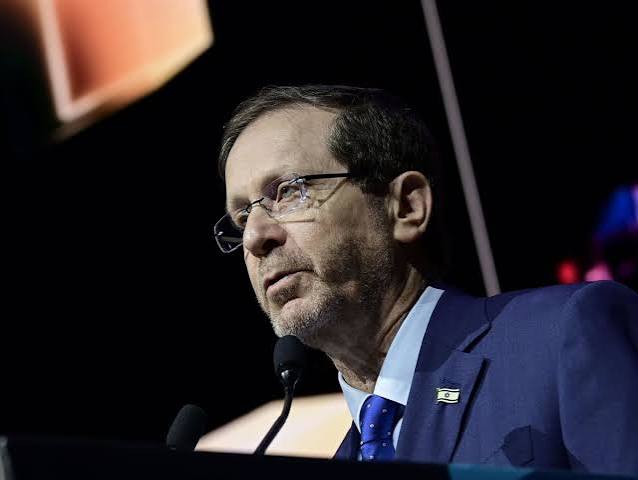
The president of Israel, Isaac Herzog, conveyed this Wednesday his congratulations to Fátima Zahra el Mansuri for her “historic” appointment as the prime minister in charge of Morocco, following the victory of her party, the Authenticity and Modernity Party (PAM), in the legislative elections held on September 23 in the Maghreb country.
“On behalf of the State of Israel, I express my sincerest congratulations to Fátima Zahra el Mansouri for her historic appointment as prime minister of Morocco by His Majesty King Mohammed VI,” Herzog noted in a message disseminated on social media, where he also wished her “the greatest success in this role.”
In the same statement, the Israeli head of state emphasized that the Moroccan king “has demonstrated great leadership in his efforts for peace and to strengthen the historic ties between both peoples.” “I hope we continue to work together to expand the circle of peace and tolerance in our region,” he added.
Morocco, considered a key partner of the United States in North Africa, restored full diplomatic relations with Israel as part of the ‘Abraham Accords’ — a pact that also included the United Arab Emirates (UAE) and Bahrain — while maintaining its official support for the two-state solution, a proposal rejected by the Israeli government led by Benjamin Netanyahu.
Herzog’s message became known after Mohammed VI formally entrusted El Mansuri with the task of forming the next Moroccan government, making her the first woman appointed as prime minister in the country’s history. Talks to articulate the new coalition began this Wednesday.
The PAM, which was part of the outgoing tripartite coalition, has achieved 97 seats in the new Chamber, placing it at the top. In second place is the National Rally of Independents (RNI), until now the main partner of the government, with 66 deputies. The Istiqlal Party (PI) — also part of the previous government — has come in third with 65 seats, followed by the Islamist Justice and Development Party (PJD), which has obtained 54 representatives.
The Moroccan legislative elections, with a participation rate below 40%, have been conditioned by the growing citizen discontent regarding the political and economic situation, as well as by the tensions with Spain arising from the crisis at the end of July, marked by the irregular entry of tens of thousands of people into Ceuta.
Related articles
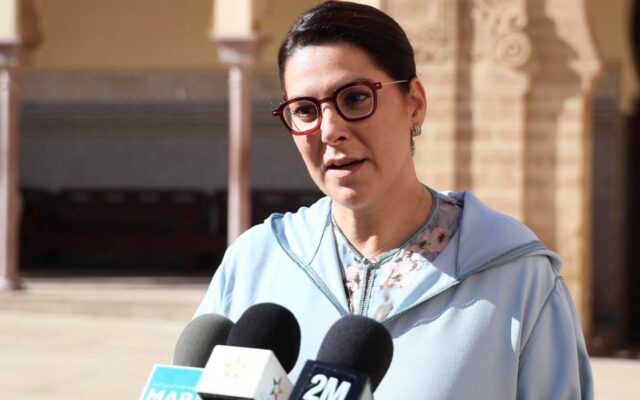
‘We Will Work Towards Proposing a Government Up to HM the King & Citizens’ Expectations’ – El Mansouri
Rabat – Fatima Ezzahra El Mansouri, coordinator of the collective leadership of the Authenticity and Modernity Party, who…
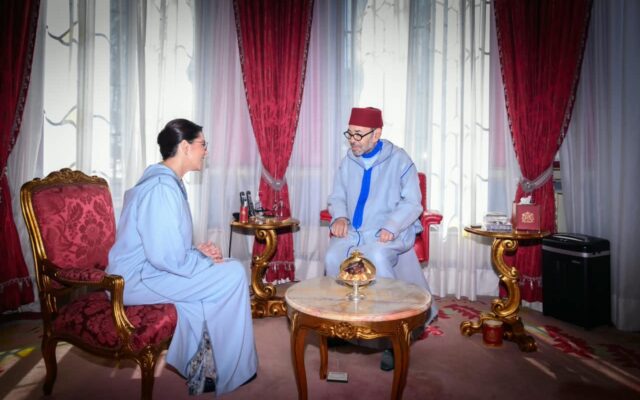
HM the King Appoints Fatima Ezzahra El Mansouri as Head of Government, Entrusts Her with Forming New Gov’t
Rabat – His Majesty King Mohammed VI, may God assist Him, received on Tuesday at the Royal Palace…
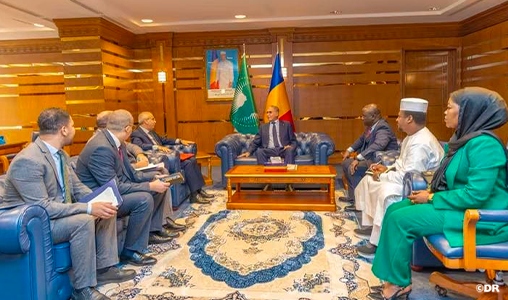
Newly Appointed Chadian FM Meets Morocco’s Ambassador to N’Djamena
N’Djamena – Chad’s new Minister of Foreign Affairs, African Integration, and Chadians Abroad, Ahmed Kogri, met on Monday…