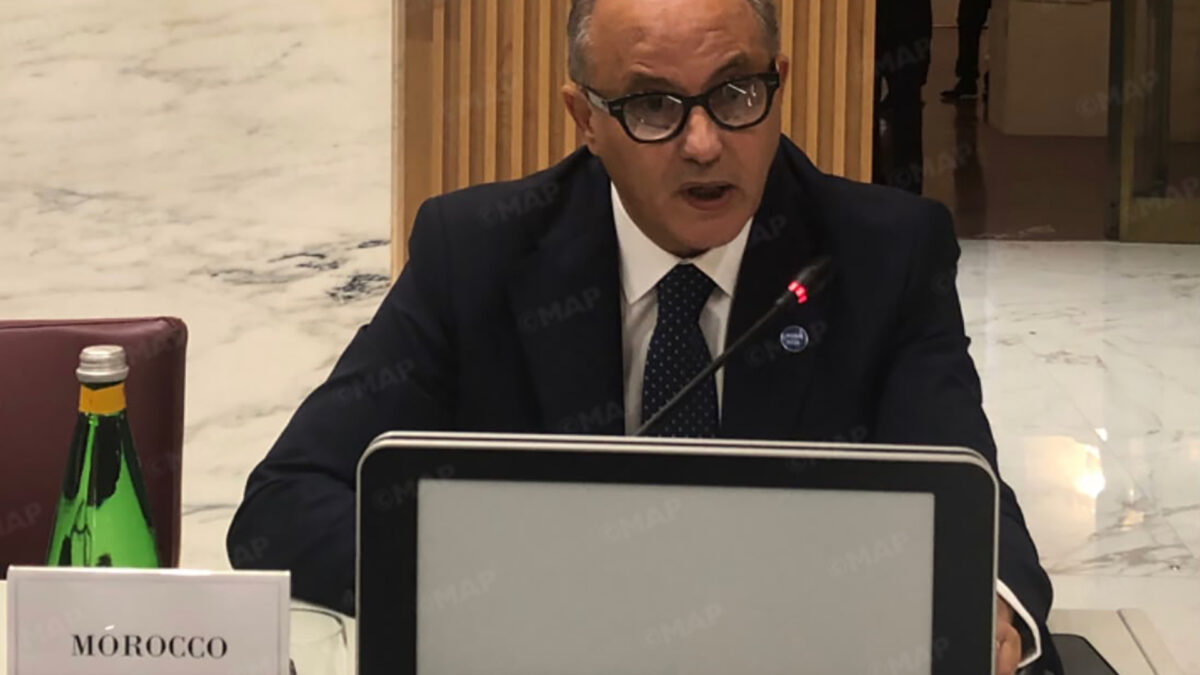
Rome – Under the impetus of HM King Mohammed VI, Morocco has placed water security and climate adaptation at the heart of its national priorities, adopting an integrated and diversified approach in this area, Morocco’s Ambassador to Italy, Youssef Balla, said in Rome on Monday.
The Kingdom is pursuing an approach that combines the mobilization of conventional water resources with the accelerated development of non-conventional resources, Balla said on the occasion of the second Ministerial Meeting of the Union for the Mediterranean (UfM) on water.
This policy is based in particular on the construction of dams, water-transfer infrastructure, the acceleration of seawater desalination, and the reuse of wastewater, the diplomat noted, adding that it also aims to preserve groundwater resources, improve the efficiency of water use, and better manage demand.
After stating that no country “can tackle a challenge of such magnitude alone,” Balla pointed out that water security calls for strengthened Mediterranean cooperation.
This cooperation, he explained, is based on the sharing of experiences, innovation, technology transfer, capacity building, and the mobilization of the necessary financing, particularly for the benefit of countries and communities most exposed to water stress.
Morocco will continue to actively contribute to this dynamic within the Union for the Mediterranean and work to ensure that water remains at the top of our regional agenda,” Balla added, as he led the Moroccan delegation at this high-level meeting.
He further noted that prolonged droughts, heatwaves, extreme precipitation, and growing pressure on resources have now made water security a strategic priority for the entire Mediterranean region.
The second Ministerial Meeting of the Union for the Mediterranean on water, co-chaired by Italy, Jordan, and the European Commission, brings together representatives of around 40 countries to agree on a common response to a crisis that is already redefining the region’s political, agricultural, and security priorities.
Related articles
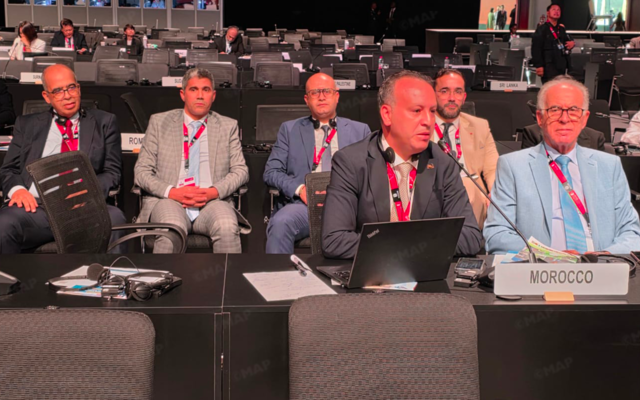
Morocco’s Experience in Crime Prevention Highlighted in Abu DhabiSeptember 29, 2026
Abu Dhabi – Morocco’s experience in evidence-based crime prevention was highlighted on Monday in Abu Dhabi during the…
Guinea-Bissau Reaffirms ‘Clear and Consistent’ Stance Backing Morocco’s Territorial Integrity and Sovereignty over its Sahara
United Nations (New York) – The Republic of Guinea-Bissau on Saturday, September 26, 2026, reaffirmed its “clear, consistent…
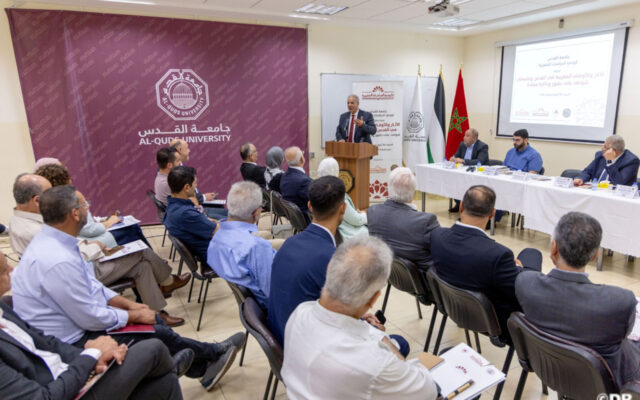
Al-Quds University’s Chair of Moroccan Studies Highlights Morocco’s Centuries-Old Presence in Holy City
Al-Quds – The Chair of Moroccan Studies at Al-Quds University inaugurated the new academic year on Saturday by…