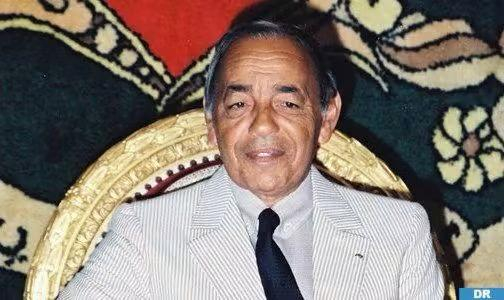
Rabat — Commemorated today, Monday, 9 Rabi’ al-Thani 1448 AH, the 28th anniversary of the passing of His Majesty King Hassan II offers the Moroccan nation a solemn moment to reflect on the enduring legacy of the monarch who built the modern Moroccan state. It is an occasion to honor his historical contributions to the Kingdom’s development, the causes of the Arab and Islamic worlds, and global peace.
Ascending the throne in 1961, King Hassan II built upon the foundational work of his father, King Mohammed V. Through strategic foresight and firm resolve, he propelled Morocco into the modern era, securing national stability, completing territorial integrity, and establishing the nation as a key regional power.
A cornerstone of his reign was the consolidation of national unity. Under his leadership, Morocco recovered Sidi Ifni in 1969 and Oued Ed-Dahab in 1979. Most notably, he conceived and led the historic Green March on November 6, 1975—a landmark peaceful mobilization that remains a global model for resolving territorial disputes through non-violent means.
To foster economic self-reliance, King Hassan II launched the groundbreaking “Dams Policy” in 1966. Decades later, this foresight continues to protect Morocco’s water and food security against severe droughts, transforming agriculture into a primary engine of national growth. Simultaneously, he advanced key social reforms to strengthen family stability, expand affordable housing, empower women, and reinforce democratic pluralism.
On the global stage, King Hassan II earned widespread international acclaim for his diplomatic skill. He played a pivotal role in Arab-Israeli peace efforts, supported UN peacekeeping missions, and helped found both the Organization of African Unity (OAU)—the precursor to the African Union—and the Arab Maghreb Union. His lifelong dedication to African liberation and continental unity was posthumously recognized in November 2022 when Ethiopia honored him with a special African distinction.
Throughout his reign, the late Sovereign maintained a balanced foreign policy that embraced international openness and modernity while preserving Morocco’s rich identity as an Islamic, Arab, African, and Mediterranean nation. As Commander of the Faithful (Amir al-Mu’minin), he consistently advocated for solidarity across the Muslim world, championing values of moderation, tolerance, and peaceful coexistence.
Related articles
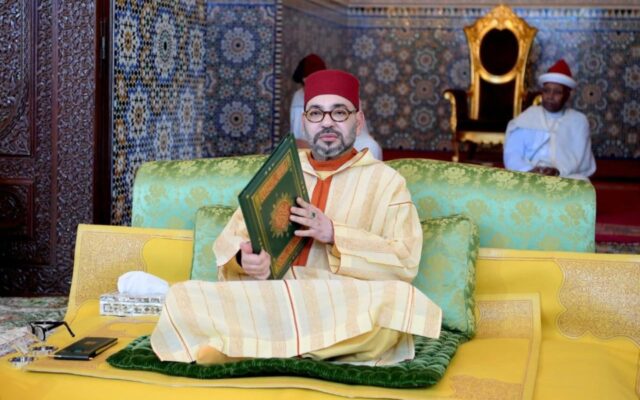
HM the King to Chair Religious Evening on Monday on 28th Anniversary of Passing of Late HM King Hassan II
Rabat – His Majesty King Mohammed VI, Commander of the Faithful, may God assist Him, will chair, this…
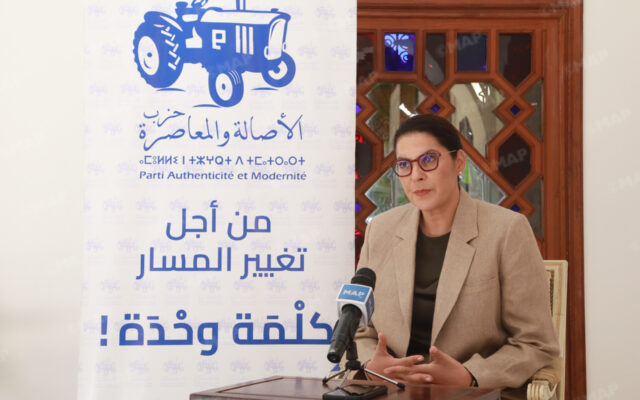
2026 Legislative Elections: The PAM Aims for a Position Enabling It to Implement Its Program and Fully Assume Responsibility (Ms. El Mansouri)
Marrakech – The Authenticity and Modernity Party (PAM) aims to secure a position in the upcoming legislative elections…

Weather Forecast for Monday
Rabat – The General Directorate of Meteorology forecasts relatively hot to locally hot weather on Monday in the…