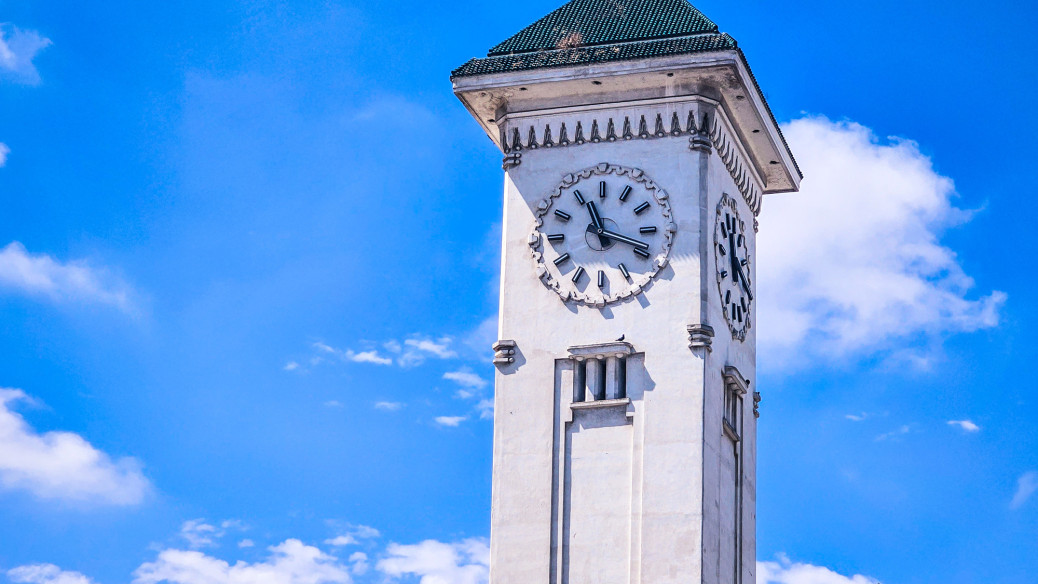
Morocco has officially switched back to Greenwich Mean Time (GMT), ending a nearly eight-year run on GMT+1. The decision comes after the government addressed widespread public dissatisfaction over the extra hour.
Under a decree issued on June 25 and published in the official gazette four days later, clocks were set back 60 minutes at 2:00 AM on Sunday. Unlike seasonal daylight saving adjustments, this change is permanent and officially repeals the 2018 measure that had established GMT+1 as the national standard time.
Prime Minister Aziz Akhannouch announced the move in June, noting that the decision reflected public demands and consensus within the governing majority. According to the official government portal, Akhannouch stated that the step was taken to resolve persistent issues associated with the GMT+1 schedule.
Since 2018, Morocco had used GMT+1 year-round, except for temporary returns to GMT during the holy month of Ramadan. The policy remained a point of contention: proponents argued that the extra evening daylight benefited the economy and daily organization, while critics highlighted the disruption to everyday life—especially in winter, when students and workers frequently had to commute in the dark before sunrise.
The new decree invalidates the October 2018 legislation that originally made the extra hour permanent starting September 20. It was signed by Prime Minister Akhannouch and Amal El Fallah Seghrouchni, the Minister Delegate in charge of Digital Transition and Administrative Reform.
The shift back to GMT will directly influence school and workplace hours, public transportation timetables, government services, and private sector operations. It will also alter Morocco’s time difference with key foreign trading partners, particularly European nations that continue to observe seasonal daylight saving time changes.
Related articles
HM the King to Chair Religious Evening on Monday on 28th Anniversary of Passing of Late HM King Hassan II
Rabat – His Majesty King Mohammed VI, Commander of the Faithful, may God assist Him, will chair, this…
2026 Legislative Elections: The PAM Aims for a Position Enabling It to Implement Its Program and Fully Assume Responsibility (Ms. El Mansouri)
Marrakech – The Authenticity and Modernity Party (PAM) aims to secure a position in the upcoming legislative elections…

Weather Forecast for Monday
Rabat – The General Directorate of Meteorology forecasts relatively hot to locally hot weather on Monday in the…