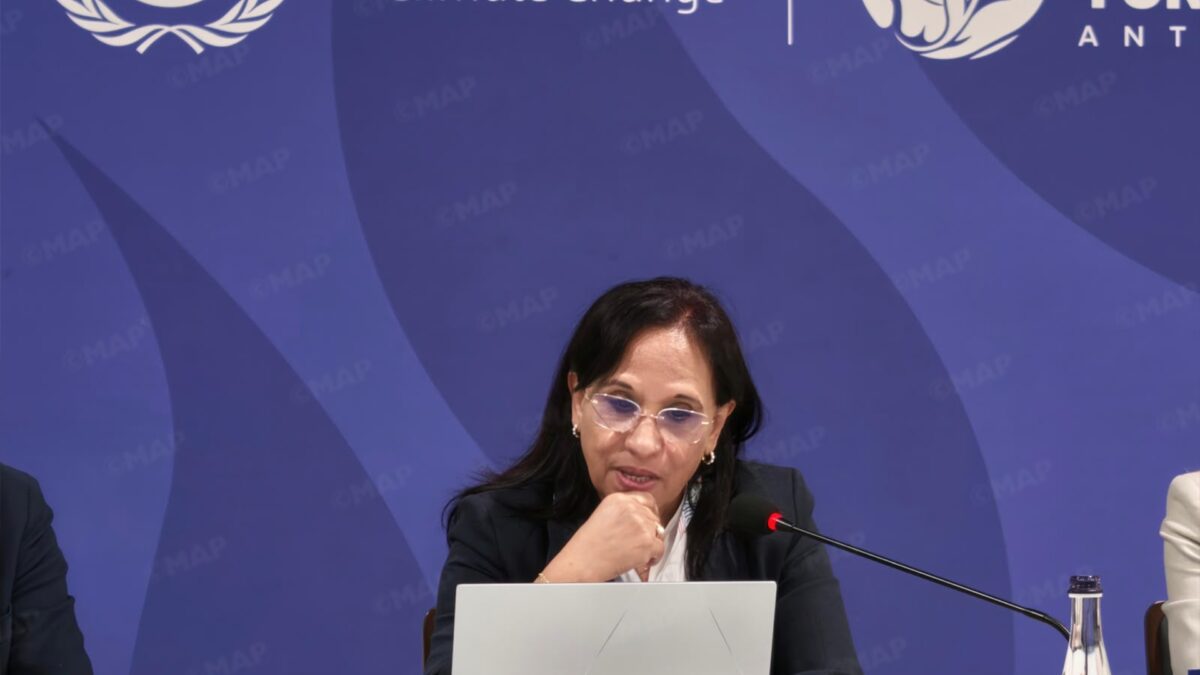
Antalya (Türkiye) – President of the National Human Rights Council (CNDH), Amina Bouayach, on Tuesday evening in Antalya called for placing human rights and climate justice at the heart of international commitments and policies to combat climate change.
Speaking at an international meeting held on the sidelines of the 31st United Nations Climate Change Conference (COP31), Bouayach stressed that delays in implementing effective climate action come at a human cost, borne primarily by the most vulnerable populations.
Climate change, she noted, is a major human rights issue affecting, in particular, the rights to life, water, housing, health, a healthy environment and decent work. Women and girls are also disproportionately affected by its consequences.
The CNDH President stressed that climate justice cannot be achieved without integrating human rights into climate policies. She called for moving from commitments to action, ensuring the protection of rights, strengthening the accountability of governments and businesses, involving affected communities in decision-making, reducing emissions and directing adaptation funding towards vulnerable populations.
Speaking at another event in her capacity as President of the Global Alliance of National Human Rights Institutions (GANHRI), she said that the human rights-based approach is a priority for these institutions in climate action.
She also stressed the need to assess the impact of new technologies on human rights and ensure that technological and economic transitions do not become sources of risks or discrimination.
The Moroccan pavilion, set up on the occasion of COP31, hosted a meeting bringing together heads and representatives of National Human Rights Institutions (NHRIs) from Africa, Europe and Asia. The event provided an opportunity to exchange experiences on protecting vulnerable populations, the right to a healthy environment, access to water and essential resources, climate-related displacement and the socioeconomic repercussions of climate change.
Participants also discussed the contribution of these institutions to international debate and climate negotiations.
Related articles
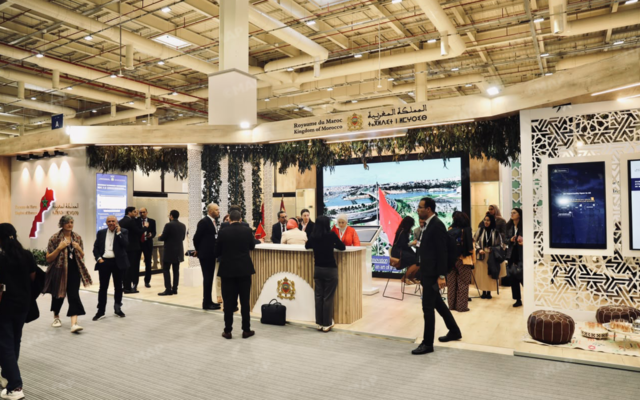
COP31: Morocco’s Pavilion, a Showcase of National Climate Action and a Platform for International Cooperation in Antalya
Antalya, Turkey – Morocco is participating in the 31st United Nations Climate Change Conference (COP31), held from November…
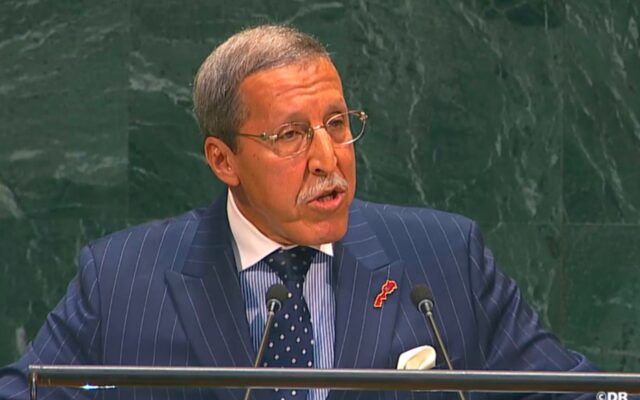
Omar Hilale before UN General Assembly: The “Sahara will Remain Moroccan until the End of Time”
United Nations (New York) – “The Sahara was Moroccan before 30 October, it is even more Moroccan after…
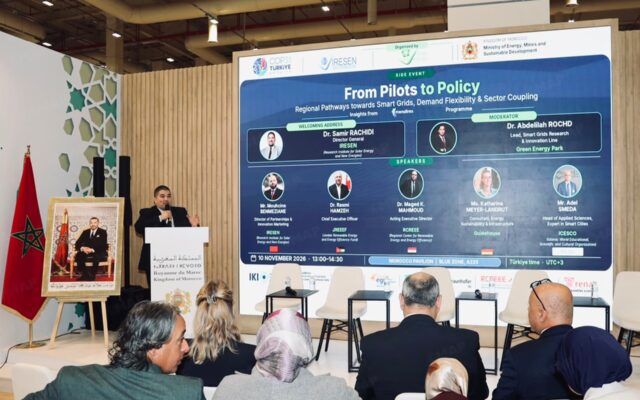
COP31 in Antalya: Morocco’s IRESEN Discusses Adapting Power Grids for Renewable Energy Integration
Antalya (Türkiye) – The adaptation of electrical networks to the massive integration of renewable energies and the development…