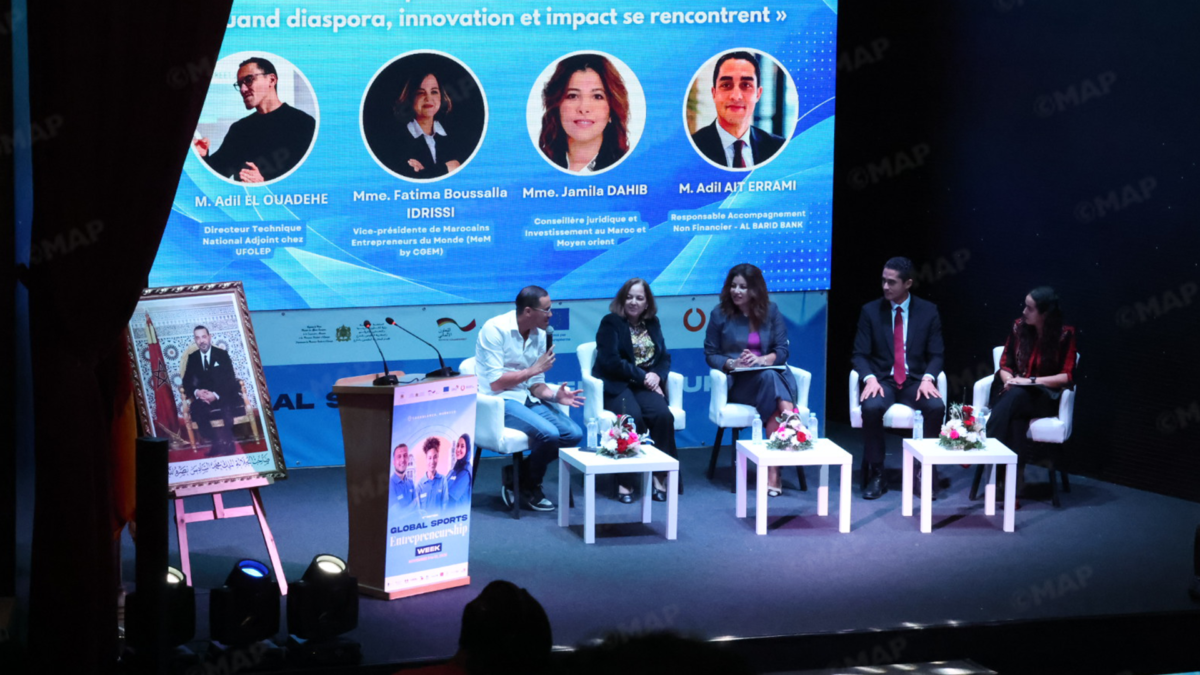
Casablanca – A plenary session dedicated to the opportunities and challenges of sports entrepreneurship was held Thursday in Casablanca, as part of the 6th edition of Global Sports Entrepreneurship Week, with the participation of a panel of experts, international partners, and young project leaders.
This meeting highlighted the potential of sport as a driver of economic development and job creation, as well as the importance of strengthening support for young entrepreneurs, particularly through access to financing, training, and professional networks.
The plenary session also honored the first cohort of the “Diaspora Sport Impact” program, an initiative led by Tibu Africa, in partnership with GIZ Morocco and the Department for Moroccans Residing Abroad (DMRE).
Aimed at Moroccans living abroad and migrants residing in Morocco, this initiative supports project leaders in the sports sector through training, personalized mentoring, and financial assistance, fostering the creation of innovative and job-creating businesses.
Speaking at the event, Mohamed Amine Zariat, the founding president of Tibu Africa, emphasized that this initiative seeks to encourage young Moroccans and Africans to develop innovative and inclusive entrepreneurial projects in various fields, including sports, health, education, new technologies, and tourism.
He noted that promoting sports entrepreneurship requires the mobilization of public and private stakeholders, investors, and international partners to overcome obstacles related to access to skills, funding, markets, and professional opportunities.
Mr. Zariat also emphasized the need to democratize access to entrepreneurship in the Kingdom’s various regions, while highlighting the opportunities offered by hosting the 2030 World Cup for developing new economic activities in the sports industry.
For his part, Sebastian Wilde, Head of Development Cooperation at the Embassy of the Federal Republic of Germany in Rabat, underscored the importance of the Moroccan-German partnership in supporting entrepreneurial initiatives, stressing that major sporting events provide opportunities to stimulate the local economy and foster the creation of sustainable jobs.
He indicated that cooperation between the two countries extends particularly to the sports sector, through programs designed to develop the skills of young people and encourage entrepreneurship, especially among Moroccans residing abroad and migrants living in Morocco.
Mr. Wilde, in this regard, commended the results of the first cohort of the “Diaspora Sport Impact” program, which provided project leaders with tailored support to develop their initiatives in the sports sector.
For her part, Zineb Jaber, project development and sport for development (S4D) expert with the GIZ Morocco’s POMIRE South-South project, emphasized that supporting sports entrepreneurs is a way to foster the emergence of innovative economic activities, particularly in the areas of health-related sports and sports tourism.
She specified that the first phase of the “Diaspora Sport Impact” program benefited 15 entrepreneurs, with the goal of increasing this number to 30 in a second phase, highlighting the importance of training, mentorship, and access to professional networks to ensure the viability of the projects.
Organized from November 9 to 13 by the NGO Tibu Africa, the 6th edition of Global Sports Entrepreneurship Week brings together young entrepreneurs, experts, and partners from various regions of Morocco and several African countries for a program dedicated to innovation and entrepreneurship in the sports sector.
This edition features hackathons focusing on topics such as health through sport, new technologies, education, and the role of women in sport, as well as presentations of projects developed within Tibu Africa’s incubation programs.
The event also highlights the “Sports Social Innovation Lab,” an incubator created by Tibu Africa, which supports around one hundred young people each year in structuring their entrepreneurial initiatives, with the aim of promoting economic inclusion and the emergence of new businesses.
Related articles
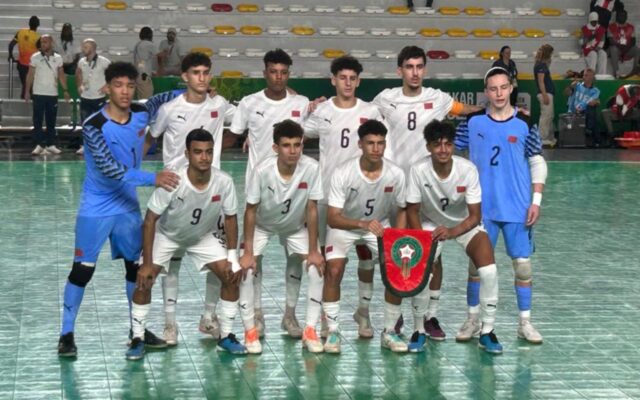
Morocco’s Futsal Team Wins Bronze Medal at Dakar’s 2026 Youth Olympics
Dakar – Morocco’s futsal team won, on Thursday, the bronze medal at the Dakar 2026 Youth Olympic Games…
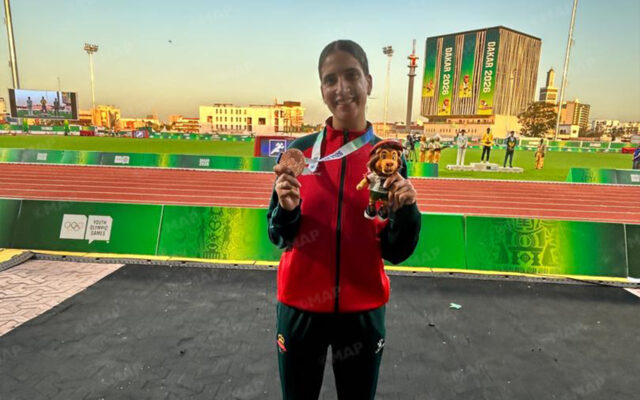
Morocco’s Khadija El Mostaqim Wins Bronze in Women’s 800m at Dakar Youth Olympics
Dakar – Moroccan athlete Khadija El Mostaqim won the bronze medal in the women’s 800m at the Dakar…
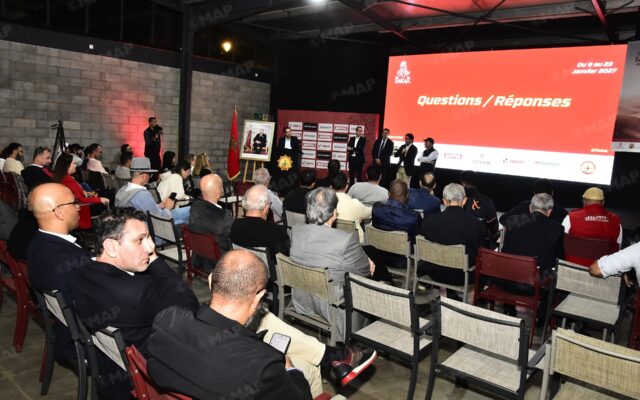
Dakar Rally 2027 to Offer Competitors a ‘Real Dakar’ in Morocco, Says Race Director
Casablanca – Morocco will offer competitors in the 49th edition of the Dakar Rally a “difficult” challenge that…