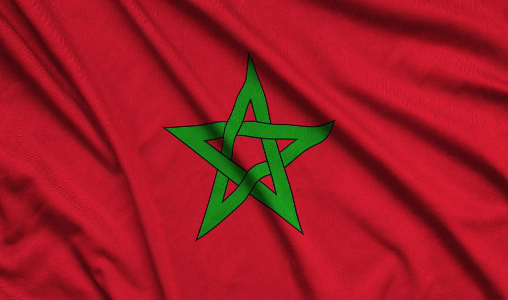
Rabat – The Moroccan people celebrated, on Wednesday, with a profound sense of pride, the 71st anniversary of the glorious Independence Day, one of the most significant milestones in the Kingdom’s contemporary history. It embodies the values of symbiosis between the glorious Alaouite Throne and the Moroccan people in the defense of national unity, sovereignty, and the protection of sacred values.
This anniversary, inscribed in gold in the pages of the Kingdom’s history, is an opportunity to remember the immense sacrifices made to liberate Morocco from the yoke of colonialism and to reflect on the long journey of national struggle that laid the foundations for an independent and united Morocco, aspiring to a better future for its citizens.
The significance of this historic event cannot be fully appreciated without revisiting the major milestones that marked the national struggle, foremost among them the historic visit of the hero of the Liberation, His Majesty Mohammed V, to the city of Tangier on April 9, 1947.
This visit constituted a decisive turning point during which Morocco, King and people, made its voice heard loud and clear, affirming its commitment to its freedom, its territorial integrity, and its deeply rooted national identity.
This momentum was the natural continuation of the struggles waged by the National Movement since the early 1930s. At that time, national action focused on political struggle, aiming to raise awareness, mobilize the population, and bring the Moroccan cause to the attention of international bodies, in the face of repressive policies that only strengthened the resolve of Moroccans to remain committed to the vision of their King, the hero of the Liberation.
Faced with the rise of the National Movement, the Protectorate authorities resorted to their ultimate, desperate measure: the exile of His Majesty Mohammed V and the illustrious royal family. They believed that by removing the symbol of the nation, they could extinguish the flame of patriotism.
However, this colonial act was the spark that ignited the glorious Revolution of the King and the People on August 20, 1953, triggering widespread uprisings in the cities and villages of the Kingdom.
The heroic battles waged by the Moroccan people in various regions of the country, notably those of El Herri, Annual, Bougafer, Jbel Baddou, and Sidi Bou Othmane, as well as the uprisings of the Ait Baamrane tribes and the southern provinces, exemplified the finest forms of resistance and sacrifice, while also providing the colonial power with profound lessons in patriotism.
This long journey culminated in the triumphant return from exile of His Majesty Mohammed V and the illustrious royal family, and the announcement by the late Sovereign on November 18, 1955, of the end of the Protectorate, proclaiming that Morocco had emerged from the “lesser jihad” to embark on the “greater jihad.”
Continuing the work of his august father, His Majesty Hassan II continued the process of building and completing the territorial integrity of the Kingdom with the recovery of the city of Sidi Ifni on June 30, 1969.
These efforts were subsequently crowned by the organization of the glorious Green March on November 6, 1975, which enabled the recovery of the southern provinces, while establishing the foundations of a state based on democratic institutions and a modern economy.
Today, building on and consolidating this rich history of achievements, the Kingdom, under the enlightened leadership of His Majesty King Mohammed VI, may God assist him, is experiencing significant growth in various fields.
This dynamic places particular emphasis on consolidating territorial integrity and achieving sustainable economic and social development, making human capital the central pillar of all public policies.
Related articles
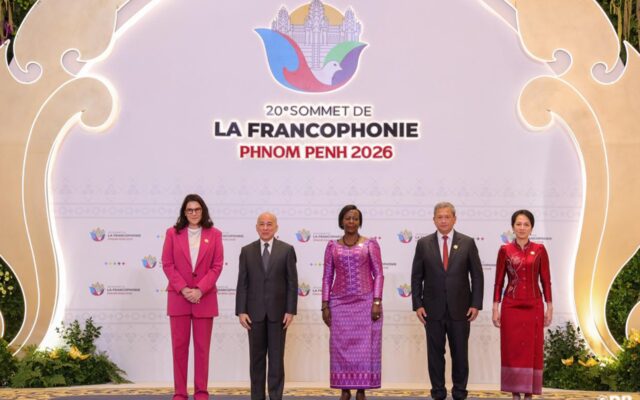
El Mansouri Represents HM the King at 20th Francophonie Summit
Phnom Penh – Head of Government Fatima Ezzahra El Mansouri is representing His Majesty King Mohammed VI at…
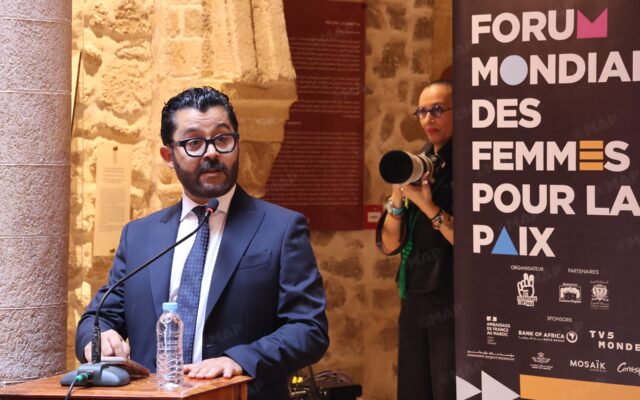
World Women’s Peace Forum: Participants Highlight HM King Mohammed VI’s Major Role in Defending Palestinian Cause
Essaouira – Participants in the third edition of the World Forum of Women for Peace, which kicked off…
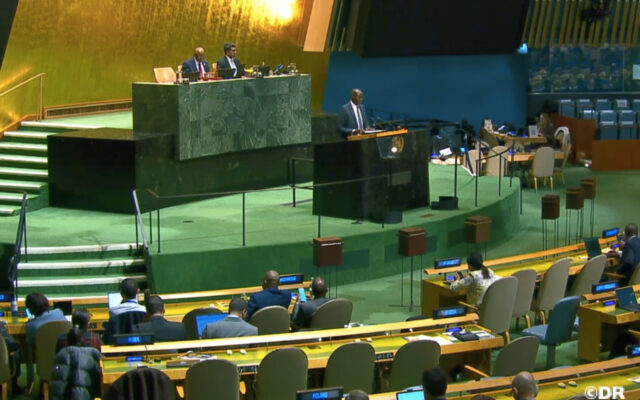
African Countries Reinforce the Primacy of the Autonomy Plan under Moroccan Sovereignty
United Nations (New York) – African countries reaffirmed, on Wednesday before the United Nations General Assembly, the broad…