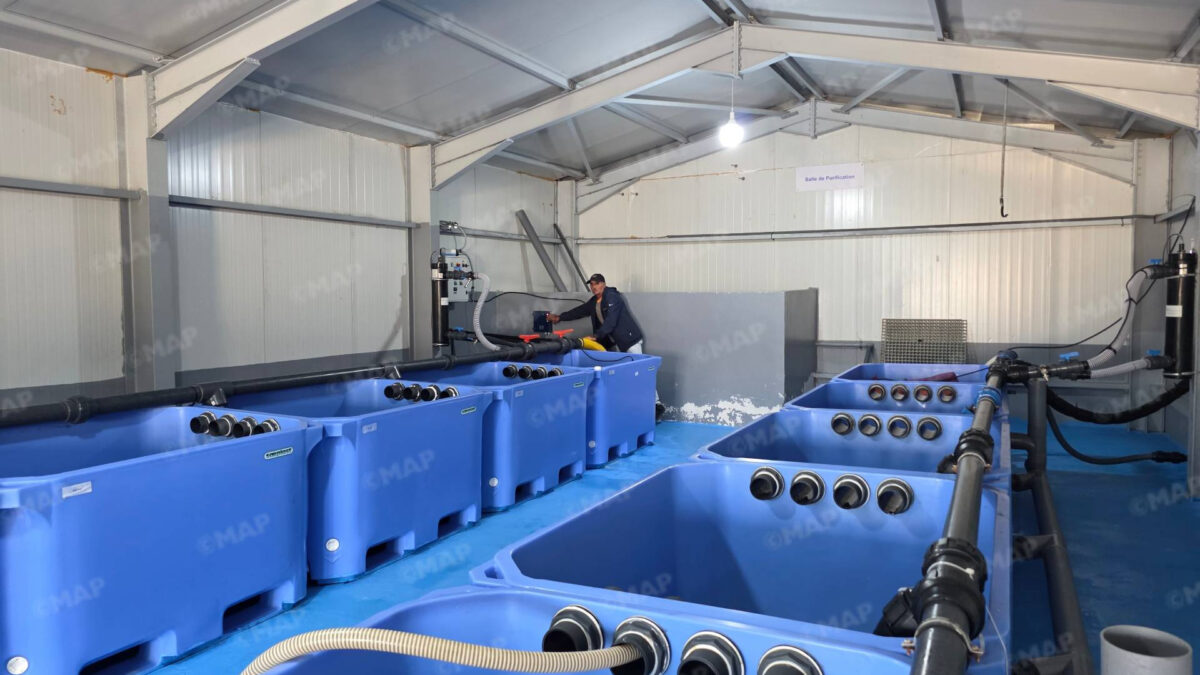
Al Hoceima – A live bivalve purification and marketing facility with a production capacity of five tons per week has been inaugurated at Cala Iris port, becoming the first installation of its kind along Morocco’s Mediterranean coast.
Equipped with a closed-loop purification system comprising two independent production lines, the facility uses advanced technology designed to optimise water and energy consumption while ensuring sanitary conditions during shellfish processing and marketing.
In a statement to MAP, Abdennabi Mansouri, head of the Maritime Fisheries Delegation in Al Hoceima, said the facility aims to eliminate harmful substances and toxins in shellfish to ensure their safety and sanitary quality before marketing, in accordance with applicable health standards.
Mansouri said the infrastructure would improve the marketing of seafood products, ensure Moroccan consumers have access to high-quality shellfish and open up new export opportunities by facilitating access to major domestic and international markets.
He added that the project combines the modernisation of production methods with the preservation of traditional fishing expertise, while creating employment opportunities for local residents, particularly in technical fields such as quality control and food safety.
Covering 120 square meters, the facility was built with an investment of 1.2 million dirhams through a partnership between the Maritime Fisheries Development Fund and the National Agency for the Development of Aquaculture (ANDA), with a contribution from the Cala Iris Fishermen’s Cooperative.
Located between the Mediterranean Sea and the heights of Al Hoceima National Park, Cala Iris is known for its artisanal fishing traditions and rich marine biodiversity. It’s intended to enhance the value of local marine resources while supporting the development of a sustainable blue economy and preserving the fishing village’s economic and social identity.
The facility is expected to improve fishermen’s incomes, reduce the economic insecurity associated with the seasonal nature of fishing and create opportunities for young people in the region.
Local stakeholders expect the project to strengthen cooperative activities and help fishing professionals adapt to growing competitiveness and changing marketing practices.
Related articles
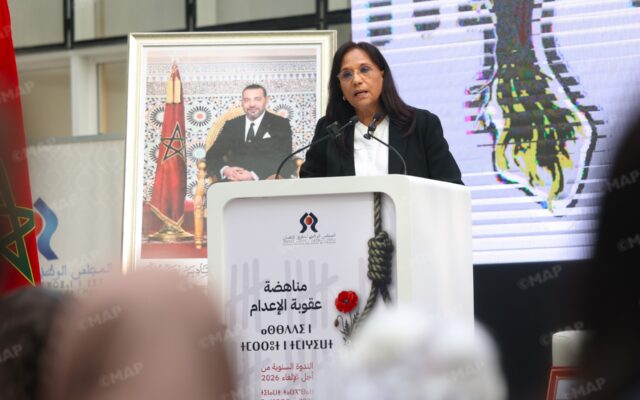
CNDH President Calls for Humanizing Debate on Death Penalty
Rabat – The President of the National Human Rights Council (CNDH), Amina Bouayach, stressed on Tuesday in Rabat…
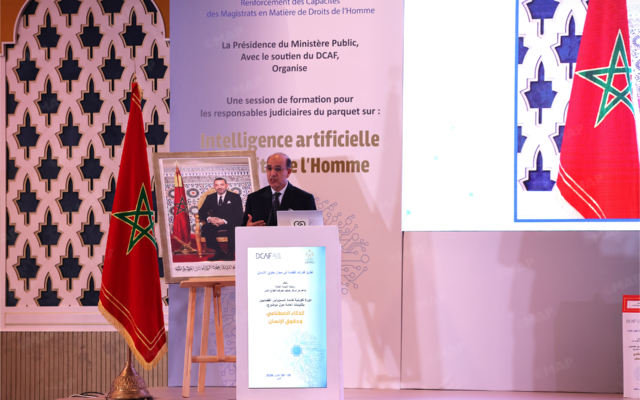
Artificial Intelligence Requires Understanding Its Limitations and Defining Ethical Safeguards (Head of the Public Prosecutor’s Office)
Fez – The King’s Prosecutor General at the Court of Cassation, Head of the Public Prosecutor’s Office, Hicham…
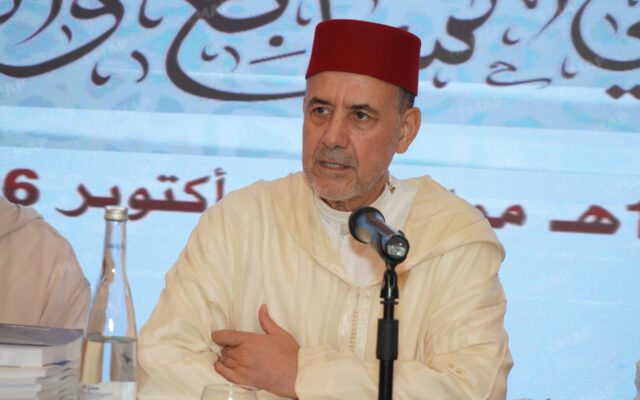
Rabita Mohammadia of Ulemas: Mr. Abbadi Advocates for Religious Discourse Relevant to Contemporary Issues
Rabat – The Secretary General of the Rabita Mohammadia of Ulemas, Ahmed Abbadi, advocated on Saturday in Rabat…