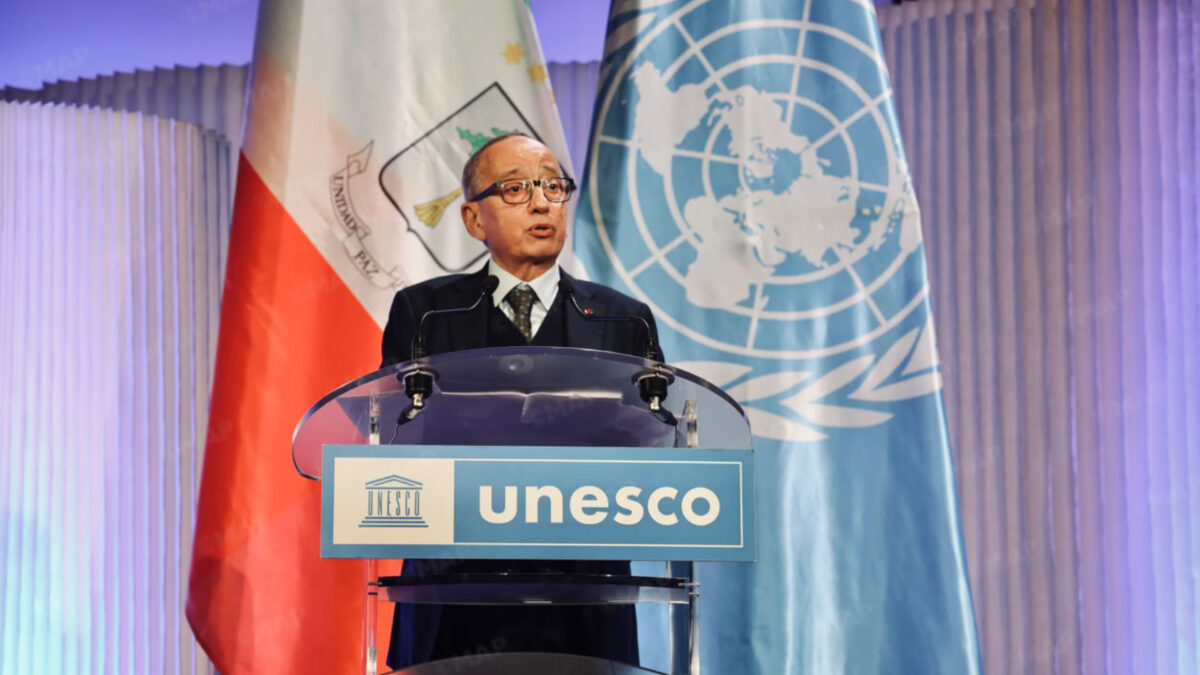
Paris – Moroccan researcher Adnane Remmal was named on Friday evening in Paris among the three laureates of the UNESCO-Equatorial Guinea International Prize for Research in Life Sciences, in recognition of their major contributions to scientific research and the improvement of human health.
A professor at Sidi Mohamed Ben Abdellah University in Fez, Remmal was honored for his pioneering work in combating antibiotic resistance, considered one of the major global public health challenges.
His research has notably led to the development of OLIPEN, an antibiotic combined with an essential oil component, which has been approved for clinical use and offers new therapeutic prospects for patients suffering from multidrug-resistant infections in Morocco.
The Moroccan researcher has also distinguished himself through the development of natural alternatives to antibiotics for livestock farming, as part of an integrated approach to human and animal health aimed at reducing antibiotic use and promoting safer and more sustainable food production.
This distinction highlights the contribution of Moroccan scientific research to international efforts to address major contemporary health challenges, particularly antimicrobial resistance.
Speaking to MAP, Remmal expressed his deep gratitude to UNESCO and the Republic of Equatorial Guinea for awarding him the international prize, noting that “this distinction sheds light on one of the major health challenges of our time, namely antimicrobial resistance.”
This phenomenon, he said, “is a silent threat that transcends borders and jeopardizes not only public health, but also human development, food security and global equity.”
Professor Remmal also highlighted this approach, which has been validated in Morocco and has already benefited hundreds of thousands of patients. He explained that it involves restoring the effectiveness of existing antibiotics rather than systematically developing new molecules.
According to him, the strategy relies on combining a conventional antibiotic with a natural molecule that acts as a “resistance breaker”, thereby restoring the effectiveness of treatments against resistant bacteria. He added that this innovative approach also has the advantage of significantly reducing development costs and timelines, potentially making these solutions more accessible to different healthcare systems.
Remmal also praised the vision of HM King Mohammed VI, which places human development, health sovereignty and scientific excellence at the heart of the Kingdom’s national priorities.
Alongside Professor Remmal, the prize jury, chaired by Moroccan researcher Rajaâ Cherkaoui El Moursli, also honored Chinese neuroscientist Nancy Yuk-yu Ip, President of the Hong Kong University of Science and Technology, for her research into brain mechanisms and Alzheimer’s disease, and Spanish Professor Carlos Martín Montañés of the University of Zaragoza, for his contribution to the clinical development of a live attenuated tuberculosis vaccine.
Speaking to MAP, Cherkaoui El Moursli, a nuclear physicist, expressed pride in Morocco’s contribution to the international standing of scientific research, adding that the recognition of researchers from different backgrounds demonstrates the importance of science as a driver of progress, innovation and cooperation among nations.
Cherkaoui El Moursli, who is also a physics professor at the Faculty of Sciences of Mohammed V University in Rabat, said Africa has considerable scientific potential and is home to skills and talents that deserve greater international recognition.
She called for increased investment in research, greater support for young African researchers and stronger South-South scientific partnerships to enable the continent to contribute fully to knowledge production and efforts to address major global challenges.
Through these three awards, the UNESCO-Equatorial Guinea International Prize for Research in Life Sciences, which is celebrating its tenth edition this year, recognizes scientific advances in key fields ranging from neurodegenerative diseases to tuberculosis and antibiotic resistance.
The three laureates shared a total prize fund of $300,000 and each received a statuette created by Equatorial Guinean artist Leandro Mbomio Nsue.
The award ceremony was attended notably by UNESCO Director-General Khaled El-Enany, several diplomats and researchers.
Related articles
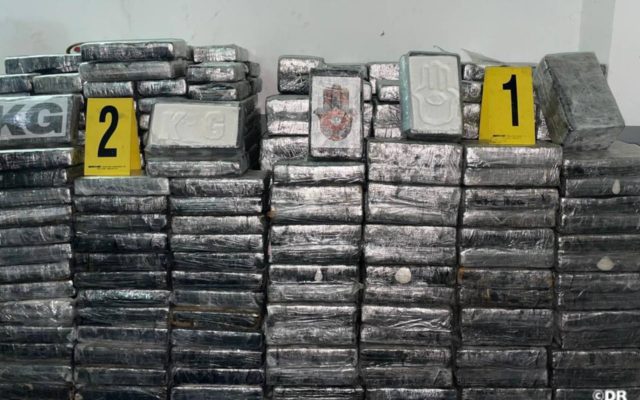
Morocco Foils Attempt to Smuggle Drugs, Psychotropic Substances & Seizes 971 Kg of Cocaine
Tangier – A joint security operation conducted by the National Police and Customs services on Tuesday afternoon at…
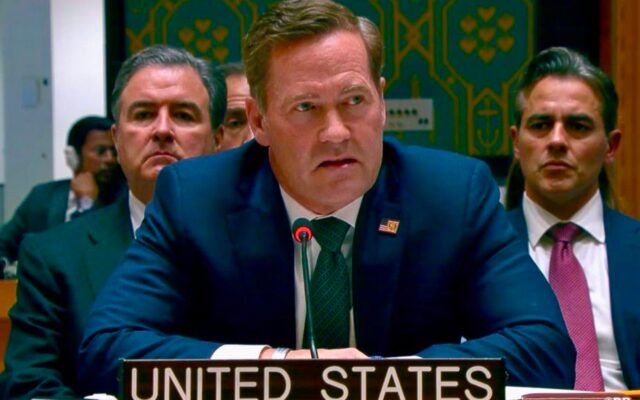
Minurso Became a ‘Permanent Monument to Something that Could Not Work’ – U.S. Ambassador to the UN
United Nations (New York) – U.S. Ambassador to the United Nations Mike Waltz stated on Friday before the…

Traffic Accidents: 23 Dead and 2,995 Injured in Urban Areas, October 19-25
Rabat – Twenty-three people died and 2,995 others were injured, 132 of them seriously, in 2,241 traffic accidents…