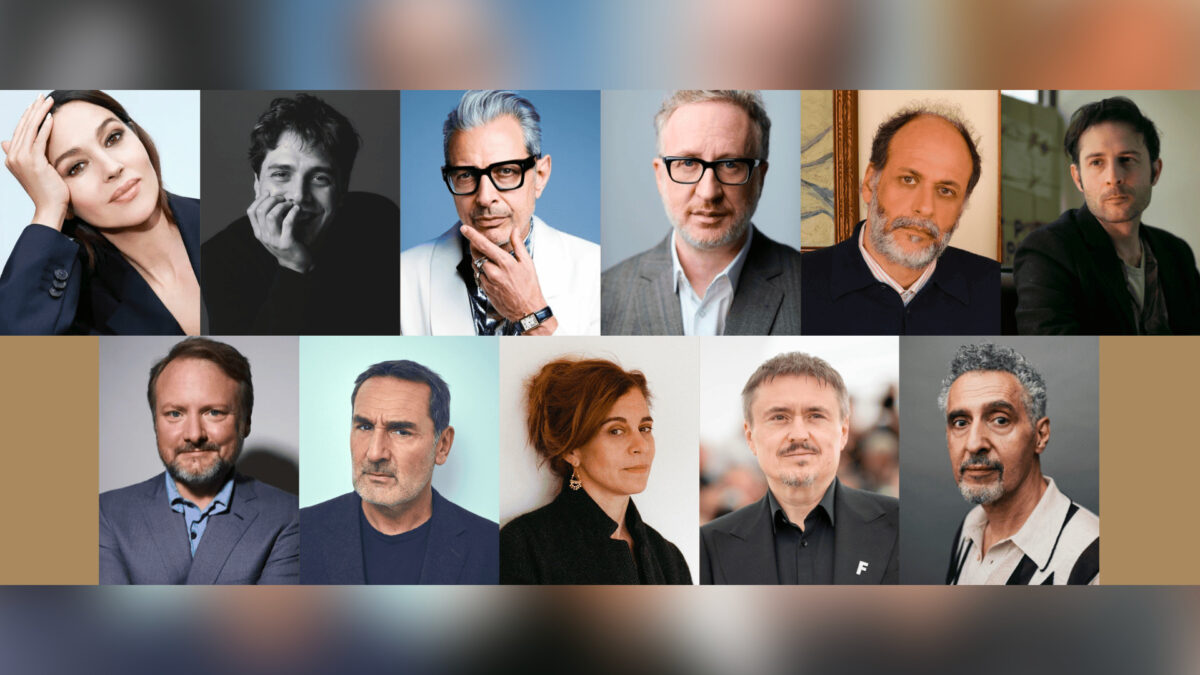
Rabat – The Marrakech International Film Festival invites audiences to discover an intimate aspect of the creative process via its ”Conversations program”, to show that behind every film lies a story not seen on the screen, a story of pivotal encounters, intuitions, risks taken, occasional doubts, and the passion that drives artists to devote their lives to cinema.
Having become one of the Festival’s most eagerly anticipated events, the Conversations offer a unique opportunity to get to know the personalities who are shaping contemporary cinema, the organizers said in a press release.
Sidestepping clichéd speeches and promotional stunts, guest filmmakers and actors open up spontaneously, reflect on the moments that have shaped their careers, and share their perspectives on their craft.
Audiences will gain knowledge about the person behind the work as they bring to light their inspirations, beliefs, and the chance events and encounters that shaped their lives, the same source added.
For its 23rd edition, the Festival once again brings together leading figures from the international film world, each an artist who, in their own way, has left a mark on the cinema of their time and continues to push its boundaries.
This year’s Conversations guests include Jeff Goldblum and John Turturro, two leading figures of US cinema whom the Festival also honors this year in its Tribute program, adds the source.
With his humor, offbeat elegance, and inimitable artistry, Goldblum looks back on a career that spans nearly six decades, wending its way through The Fly to Jurassic Park and right up to the recent Wicked.
A perennial favorite of the Coen brothers and a regular collaborator of Spike Lee, Turturro discusses the many facets of a career that has seen him appear in independent films as well as major Hollywood productions, while developing his own body of work as a director.
A leading figure of international cinema, Monica Bellucci considers a career that has seen her in works as diverse as The Apartment, Malèna, and Irreversible alongside appearances in major productions including The Matrix and Spectre.
Most recently starring in Beetlejuice Beetlejuice, Bellucci discusses working in multiple countries and languages, and collaborating with filmmakers from very different worlds.
James Gray, whose films explore family ties, origins, and thwarted dreams with remarkable sensitivity, shares his perspective on cinema and on his portrayals of the United States that are seen in films from Little Odessa through Armageddon Time and up to his most recent film, Paper Tiger, which is presented at the Festival this year, according to the press release.
Another significant voice in contemporary cinema is that of Romanian director Cristian Mungiu, who won his second Palme d’Or at the Festival de Cannes for Fjord this past May, nineteen years after his first win for 4 Months, 3 Weeks and 2 Days, the same source said, adding that the filmmaker reflects on a body of work that finds its foundations in the social realities and moral dilemmas of our time.
Moroccan director Laïla Marrakchi, whose film Marock left its mark on Moroccan cinema with its bold exploration of the aspirations and contradictions of youth, shares her experience of creating work that focuses on family relationships, social conventions, and individual freedom.
Whether in Marock, Strawberries—which screens in this year’s Festival—or in her television work, Marrakchi has developed a personal perspective on the transformations occurring in Moroccan society
Italian filmmaker Luca Guadagnino, whose work explores sensuality, desire, and transgression, discusses a career that has seen celebrated films including Call Me by Your Name, Challengers, and Artificial, an examination of the inner workings of artificial intelligence that screens at this year’s Festival.
Quebecois director Xavier Dolan, who burst onto the scene at just nineteen years old with I Killed My Mother and went on to win the Jury Prize at Cannes for Mommy and the Grand Prix for It’s Only the End of the World, looks back on his meteoric rise, which is driven by an intensely personal style of filmmaking in which family, emotions, and identity take center stage.
US director Rian Johnson, whose Knives Out and its sequel Glass Onion reinvented con brio the conventions of the whodunit film, shares his passion for storytelling, unpredictable characters, and cinematic treasure hunts like Brick, Looper, and Star Wars: The Last Jedi.
Gilles Lellouche, one of the most popular stars of French cinema, discusses his career as a director, which began with Narco, co-directed with Tristan Aurouet, and continued with Sink or Swim and Beating Hearts, both of which were presented at Cannes.
Finally, French director and screenwriter Arthur Harari, who gained recognition for directing Dark Inclusion, Onoda: 10,000 Nights in the Jungle, and the Prix Jean-Vigo winner The Unknown, and who won the Oscar for Best Original Screenplay for Anatomy of a Fall, which he co-wrote with director Justine Triet, reflects on a career marked by a penchant for exploring complex characters and extraordinary destinies.
With these various artists from diverse backgrounds, this year’s Conversations offer a comprehensive overview of the sensibilities that are shaping contemporary cinema.
Whether in major Hollywood productions or deeply personal works, genre films or intimate narratives, their experiences reveal a wide range of approaches to depicting the world, examining society, and moving audiences, the press release concluded.
Related articles
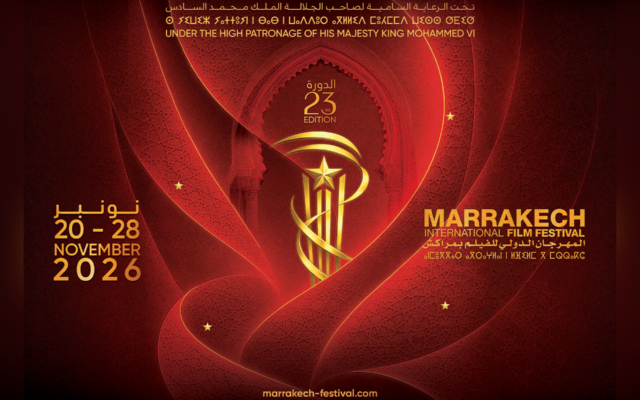
The Marrakech International Film Festival invites leading voices in cinema to share their stories with the public.
Rabat – The Marrakech International Film Festival invites audiences to discover a more personal side of filmmaking through…
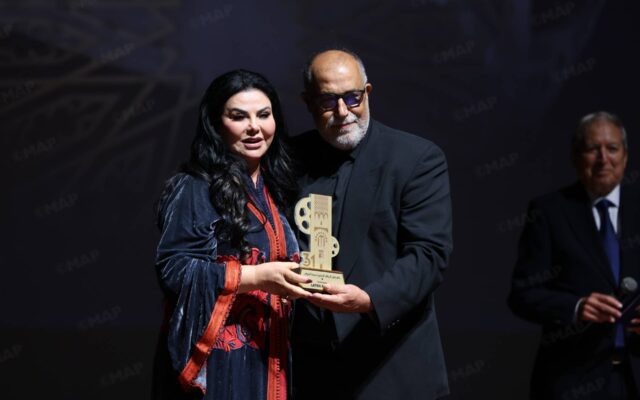
The 31st Rabat International Film Festival of Auteur Cinema Kicks Off, Featuring Over 120 Films
Rabat – The 31st Rabat International Film Festival of Auteur Cinema kicked off on Saturday with the participation…
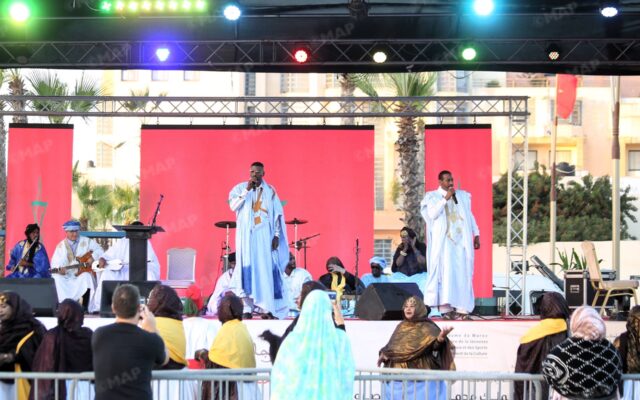
The 18th National Hassani Song Festival Celebrates an Exceptional Musical Heritage
Dakhla – The 18th National Hassani Song Festival opened Wednesday evening in Hassan II Square in Dakhla, under…