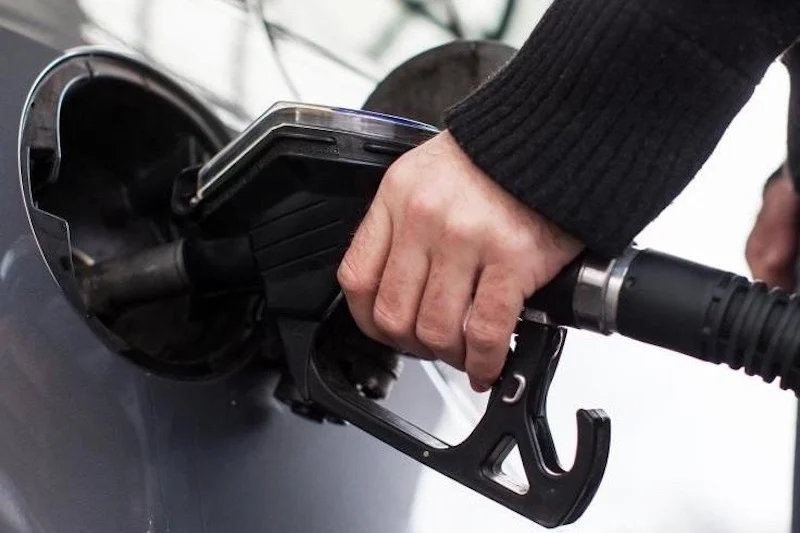
RABAT — Fuel prices across Morocco increased today as distributors implemented a new round of price hikes, reflecting ongoing volatility in global crude markets and persistent geopolitical tensions in the Middle East.
According to a source from Morocco’s National Federation of Fuel Station Owners and Managers, gasoline prices rose by 0.44 Moroccan dirhams ($0.04) per liter, while diesel prices saw a steeper increase of 0.85 dirhams per liter. While official adjustments took effect at midnight, retail rates may vary slightly depending on the fuel distributor and location.
Today’s adjustment extends a sustained upward trend in fuel costs since mid-2026, with diesel—the nation’s most widely consumed fuel—taking the largest hit. Cumulative increases have now pushed diesel prices up by approximately 3.54 dirhams per liter over recent months, taking rates past the 16 dirhams per liter threshold at several service stations nationwide.
The price adjustments coincide with active government efforts to assess the economic fallout of Middle Eastern geopolitical friction on Morocco’s national economy. Following a ministerial committee meeting in Rabat, the government reaffirmed its decision to maintain direct direct financial subsidies for road freight and passenger transport operators. Officials noted that subsidy amounts will be continually adjusted to match fuel price fluctuations, ensuring public transit fares remain fixed without passing financial burdens directly onto commuters.
Addressing national energy security, the committee reassured the public that Morocco’s domestic supply chain remains stable, with reserve stocks of butane gas and diesel currently adequate to cover 40 to 60 days of national consumption.
The local price pressures align with broader trends in global crude markets. A recent Reuters survey of 30 analysts and economists projected average 2026 prices at $89.05 per barrel for Brent crude and $83.90 for U.S. West Texas Intermediate, with Brent estimates spanning between $77.27 and $97.60. Market analysts attribute the tight global inventory levels to prolonged disruptions and limited prospects for a full restoration of oil exports through the Strait of Hormuz in the immediate future.
Related articles

Appel à candidatures pour le Prix Voix des jeunes pour la paix
La Maison Maroc pour la Paix, en partenariat avec la Konrad Adenauer Stiftung, le Centre d’études et de…
Energy Products: National Market to Remain Regularly Supplied Until Year-End – Minister
Rabat – The national market will remain regularly supplied with energy products until the end of the year,…
Morocco’s OAPAM Takes Part in 2nd African ICEVI Conference in Johannesburg
Johannesburg – The Alaouite Organization for the Protection of the Blind in Morocco (OAPAM) is taking part in…